Paul George shifts his training strategy as he joins the Celtics, prioritizing recovery and sustainability to maximize his performance this season.
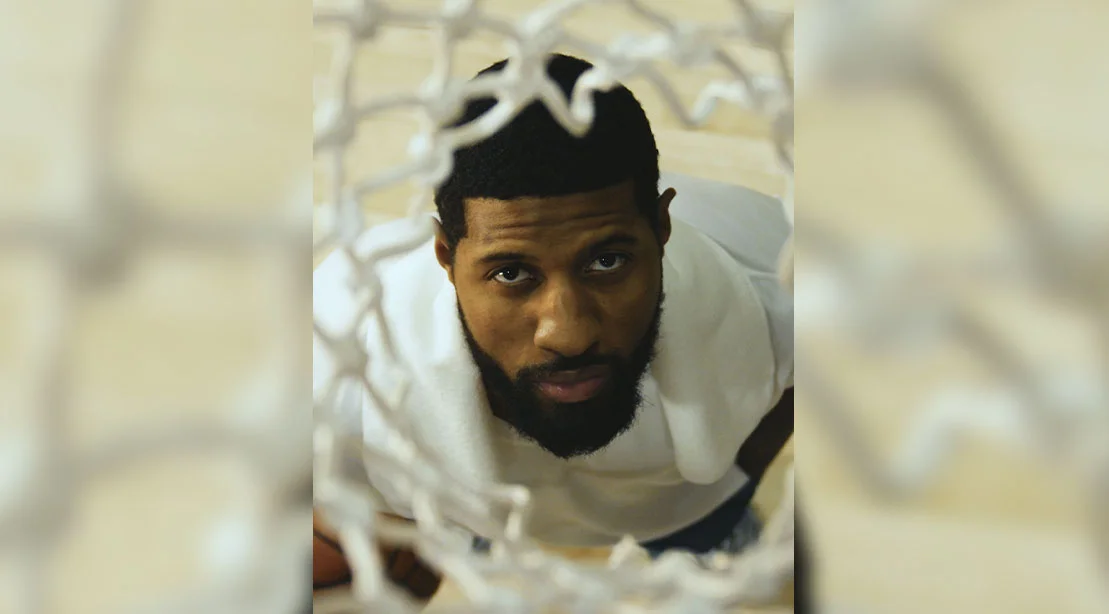
As Paul George embarks on his 17th season in the NBA, his approach to training has undergone a notable transformation. While young players typically equate success with intensity—more hours in the gym, pushing through discomfort—George has learned the value of strategic training, especially given his extensive experience and injury history.
Now playing for the Boston Celtics, he’s embraced a mindset centered around sustainability and long-term performance rather than merely clocking hours. “At 25, I probably would have judged the day by, ‘How much can I get done today?’” he reflects. “Now, I look at it as, ‘How do I stack good days together?’” This change in perspective is vital after accumulating over 30,000 regular-season minutes, alongside numerous injuries and surgeries.
A Fresh Start in Boston
George’s recent trade to the Celtics was a pivotal moment in his career. Known for its passionate fanbase and rich history of success, Boston offers him the chance to compete at a high level as he nears the twilight of his playing days. He states, “When you think about Boston, you think about their track record, the fans, and the standard that comes with putting that jersey on.” Having faced the Celtics as an opponent, George now seeks to contribute to the franchise’s storied legacy.
Importantly, he recognizes that he doesn’t need to reinvent himself. Rather than altering his fundamental strengths, he’s focused on leveraging his skills to support the team’s efforts. “I’m not coming in feeling like I have to be something I’m not,” George explains. His intent is clear: to defend, assist in playmaking, and knock down critical shots while drawing from his wealth of experience.
Rethinking Workouts
In years past, George would log countless hours practicing, believing that sheer volume would yield improvement. However, those days are behind him. “I understand more about focusing on the quality of the work and what I want to achieve,” he asserts. He emphasizes that an hour of concentrated practice can often be more worthwhile than exhausting himself over three hours.
George's current training encompasses skill development, strength conditioning, mobility work, nutrition, hydration, and sleep—each element vital for recovery. He observes, “The biggest shift has been understanding that there’s no single focus that carries you through a season.” Each part of his day serves his overall training regimen, shifting the way he measures success.
Smart choices—whether it’s engaging in high-intensity training one day, prioritizing mobility the next, or focusing on recovery—are now part of his daily routine. He’s learned that sustaining health and performance over an 82-game season requires a holistic approach. “I’ve learned that longevity comes from making smart decisions consistently, not trying to win every single day,” he emphasizes.
The Impact of Small Choices
Beyond high-stakes performances, the daily choices—hydration, sleep, nutrition—are what ultimately support George through the rigorous demands of an NBA season. He explains how recovery used to be an afterthought until his body signaled distress. Now, it’s intricately woven into his routine.
Particularly crucial for a player with championship aspirations, managing his workload early in the season can influence how he feels when playoff time approaches. “I’ve learned that every decision you make in the fall can affect how you feel in the spring,” George notes. Understanding that discipline is essential not just for immediate results, but for long-term health, has reshaped his training philosophy.
Becoming His Own Advocate
With a career marked by injuries and subsequent recoveries, George has developed a keen awareness of his body and its needs. While a strong medical team is essential, he stresses the importance of self-advocacy in health management. “It’s still your body,” he asserts, highlighting the necessity of being informed about recovery options and treatment plans.
Recently, discussions with his medical team about pain management alternatives, including non-opioid options like Exparel, underscored his proactive approach. “When I was younger, I might have thought, ‘I’ll deal with managing the pain when it happens,'” he admits. Now, he seeks clarity about recovery strategies before they begin.
This perspective extends to all aspects of his training, reminding him that preparation is key to longevity. George notes, “The small health decisions you make early on have a way of paying off years down the road.” This advice resonates not just with younger players, but serves as a reminder to all athletes about the importance of prioritizing personal well-being alongside the demands of competition.



Discussion
Sign in to join the discussion.