Research links plant protein and plant rich diets with fewer age related health deficits, lower mortality, and reduced Alzheimer’s risk.

Small dietary shifts may matter for healthy aging: research associates replacing a modest share of animal protein with plant protein with fewer accumulated health deficits, while broader plant rich eating patterns have been linked to lower mortality and Alzheimer’s risk. The evidence is observational, so it doesn’t establish that any one food swap causes longer or healthier life. Still, the findings point to a practical theme: what replaces animal foods matters, and food quality matters too.
A modest protein shift, with measurable associations
In a study of more than 400,000 people, replacing 3% of calories from animal protein with plant protein was associated with a 10% lower risk of death from any cause. The researchers estimated that the difference could correspond to roughly one additional year of life. Protein from eggs stood out: replacing 3% of calories from egg protein with plant protein was associated with a mortality risk reduction of more than 20%, larger than the reduction associated with replacing red meat protein.
Those results concern mortality. A separate question is whether protein choices track with how well people function as they age. Healthy aging is commonly defined as maintaining the functional ability that supports wellbeing in later life. Researchers examined deficits involving physical function, mental health, diseases, self reported health and vitality, and use of health services. Higher vegetable protein intake was associated with less accumulation across these measures.
The reported difference was small in dietary terms: shifting just 1% of calories from animal protein to vegetable protein was associated with significantly less deficit accumulation. That association persisted after researchers accounted for fat intake, which suggests the findings weren’t explained solely by animal protein foods also containing fat. The studies don’t settle whether the association reflects benefits from plant foods, harms linked to some animal foods, or both.
One related review considered whole food, plant based eating and skin aging. It described possible pathways involving telomere length, antioxidant defenses, and reduced exposure to carcinogens and gerontotoxins, compounds associated with aging. But a vegan diet alone doesn’t guarantee a nutritious pattern: a diet built around refined flour, sugar, and processed oils can still lack vegetables and fruit. The meaningful distinction is the foods people eat, not simply the foods they avoid.
Longevity findings from Loma Linda
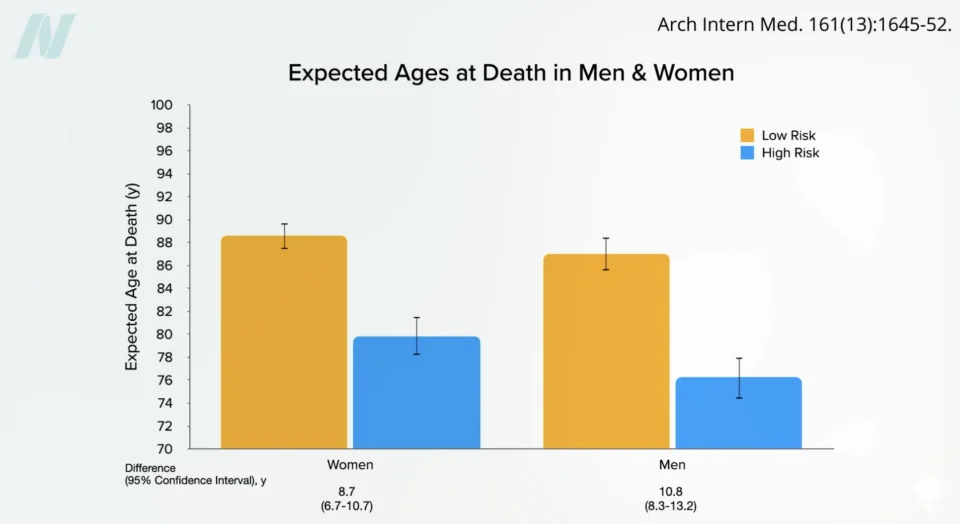
Adventist vegetarians in Loma Linda, California, are part of a population often studied for longevity. Loma Linda is one of the world’s five original “blue zones.” Research cited in the source estimates average life expectancy at about 83 years for Adventist men and 86 for women—roughly 10 and 6 years longer, respectively, than the general California population.
These figures describe a community and its habits, not the effect of vegetarian eating in isolation. People who ate vegetarian diets, consumed nuts, exercised, maintained lower body weight, and never smoked were reported to live about 9 to 11 years longer than those who lacked those habits. The combination makes it difficult to assign the difference to any single factor.
Living longer is only a meaningful gain if those years include good health. Wellbeing wasn’t measured directly in the cited research, but vegetarian Adventists were reported to use fewer medications and have fewer X ray examinations, surgical procedures, and overnight hospital stays. Their lower prevalence of several chronic diseases also offers one indication of health in later life.
Diet patterns and cognitive aging
Alzheimer’s disease is a major concern in aging. The source cites estimates that dementia affects one in 10 people over 65 and half of those over 85. Emerging research links dietary patterns with cognitive decline, though diet is only one part of a complex picture.
The MIND diet emphasizes natural plant foods, including berries, leafy greens, whole grains, beans, nuts, and seeds. It also limits animal foods and foods high in saturated fat, such as meat and dairy. In the research described, strict adherence was associated with a 53% lower risk of Alzheimer’s disease. Even moderate adherence was associated with a reduction of about one third. Participants with high adherence also had cognitive function comparable to that of someone 7.5 years younger.
Other research cited in the source found that people who ate meat, including poultry and fish, were more than twice as likely to develop dementia as vegetarian participants; considering past meat consumption, the reported association rose to three times the risk. These results are associations, and they don’t show that meat consumption alone explains dementia risk.
Several possible mechanisms have been proposed. Plant rich diets may help limit oxidative stress and inflammation, both associated with chronic degenerative disease. Berries are rich in antioxidants, while research on people avoiding meat has reported higher levels of anti inflammatory compounds and lower levels of markers such as C reactive protein. Dietary patterns high in animal protein, saturated fat, and refined sugar, and low in plant foods, may also affect corticosteroid secretion, including stress hormones such as cortisol. These potential pathways help explain the research questions; they don’t prove a direct cause and effect relationship.
Cooking methods and dietary AGEs
Advanced glycation end products, or AGEs, are compounds that can form in food during cooking. The source describes whole grains, beans, fruit, and vegetables as lower AGE choices, while broiled, grilled, fried, and roasted meats can contain more. Cooking method can make a substantial difference: a chicken breast was reported at about 1,000 KU when boiled and 9,000 KU when broiled. The list below shows AGE levels measured in servings of 40 foods.

Many of the high AGE foods on that list are meats, including chicken, bacon, and hot dogs. Raw nuts and seeds provide a lower AGE option; even roasted or toasted nuts didn’t appear among the foods with the highest levels in the cited analysis. These figures concern one aspect of food composition and shouldn’t be treated as a full measure of a food’s effect on health.
What the evidence supports
Diet isn’t the only influence on cognitive health. Adequate sleep, rest, and physical activity matter as well. Daily brisk walking was associated with a 40% lower risk of developing Alzheimer’s later in life in the cited research, while smoking may double dementia risk.
For dietary choices, the evidence points toward reducing added sugar, excess salt, saturated fat, heavily processed foods, and animal products, while eating more vegetables, beans, and fruit—especially leafy greens and berries. The practical takeaway is less about a single protein swap producing a guaranteed result and more about a consistent pattern: replace some animal protein with plant protein, favor whole plant foods, and pair that approach with habits such as regular activity.
Doctor’s Note
Aging is the topic of the book How Not to Age, available through local public libraries.
Related videos on aging and longevity:
- How to Counter the Inflammation of Aging
- Fruits, Veggies, and Longevity: How Many Minutes Per Mouthful?
- Do Flexitarians Live Longer?
- Methionine Restriction as a Life-Extension Strategy
- How to Slow Brain Aging by Two Years
- Turning the Clock Back 14 Years
- Longer Life Within Walking Distance
- Telomeres: Cap It All Off with Diet
- The Okinawa Diet: Living to 100
- Caloric Restriction vs. Animal-Protein Restriction
- Increased Lifespan from Beans
- The Benefits of Calorie Restriction for Longevity
- Does Intermittent Fasting Increase Human Life Expectancy?
- How to Increase Your Life Expectancy 12 to 14 Years
- How to Boost FGF21 with Diet for Longevity



Discussion
Sign in to join the discussion.