Explore the legacy of Mr. Olympia, from its origins to record holders and prize winnings that highlight bodybuilding's most celebrated competition.
Since its inception in 1965, Mr. Olympia has symbolized the pinnacle of bodybuilding excellence. Key figures like seven-time champion Arnold Schwarzenegger have shaped its legacy while expanding the sport's international appeal. However, questions linger: who first claimed the iconic title, what are the origins of the Sandow Trophy, who has the most wins, and which bodybuilder has reaped the highest earnings? This overview touches on these essential aspects ahead of the upcoming 2026 finals.
The First Mr. Olympia
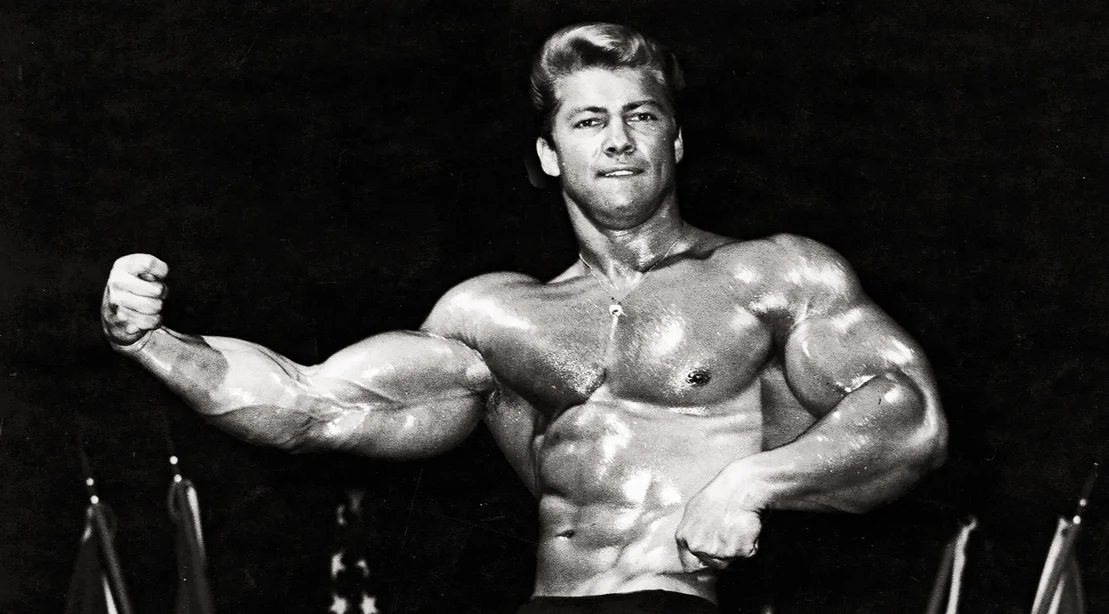
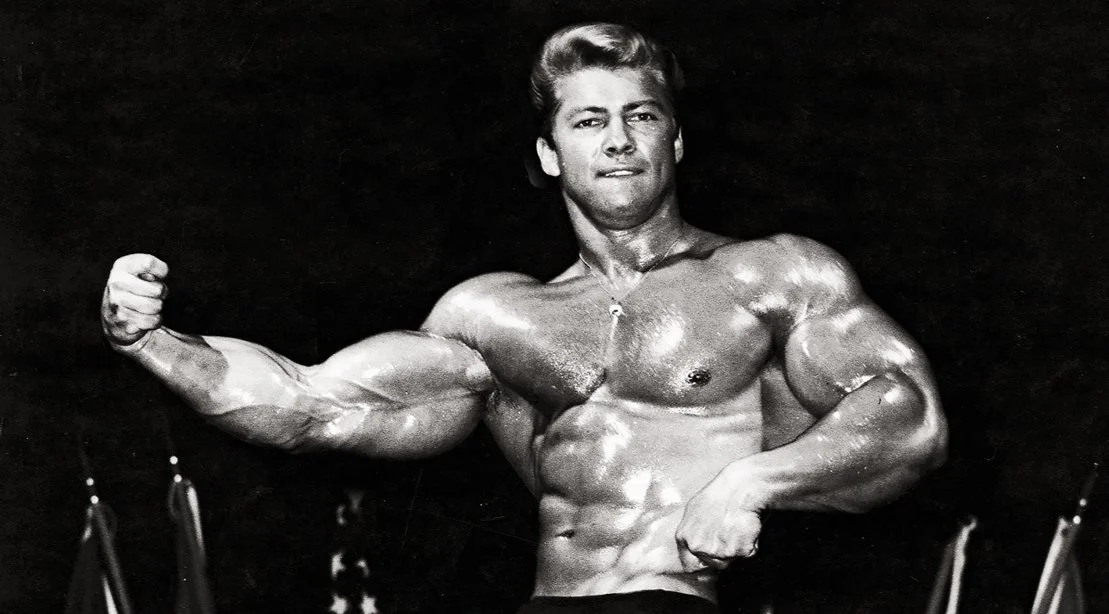
The inaugural Mr. Olympia was won by Larry Scott, dubbed “The Golden Boy,” at the Brooklyn Academy of Music in 1965. Scott didn't just break new ground by winning; he set a standard for what it meant to be a bodybuilder. Rather than receiving a trophy, Scott was honored with a crown and a cash prize of $1,000. His second title in 1966 came with another $1,000, but this time, an engraved silver plate marked the occasion, highlighting the event's increasing prestige. Interestingly, the coveted Sandow Trophy made its debut only in 1977, further cementing the competition’s status as the gold standard in bodybuilding.
Understanding the Sandow Trophy
The Sandow Trophy honors Eugen Sandow, often referred to as “The Father of Modern Bodybuilding.” You might not realize just how pivotal he was—Sandow facilitated the first bodybuilding competition at The Royal Albert Hall in 1901, setting a precedent that would shape the sport for generations. The trophy, initially a figurine crafted by artist Frederick W. Pomeroy, has evolved to represent excellence in bodybuilding, awarded consistently since Frank Zane's win in 1977. Through every champion's hands, the trophy carries not just honor but a rich tapestry of history and aspiration.
“We award the iconic Sandow Trophy to the #1 bodybuilder in the world,” says Olympia President Dan Solomon. “The winner of this trophy is known for the rest of his life as Mr. Olympia.” This statement encapsulates the cultural weight the award holds—not just within competitive circles, but among fans who revere the title.
Most Titles in Mr. Olympia History
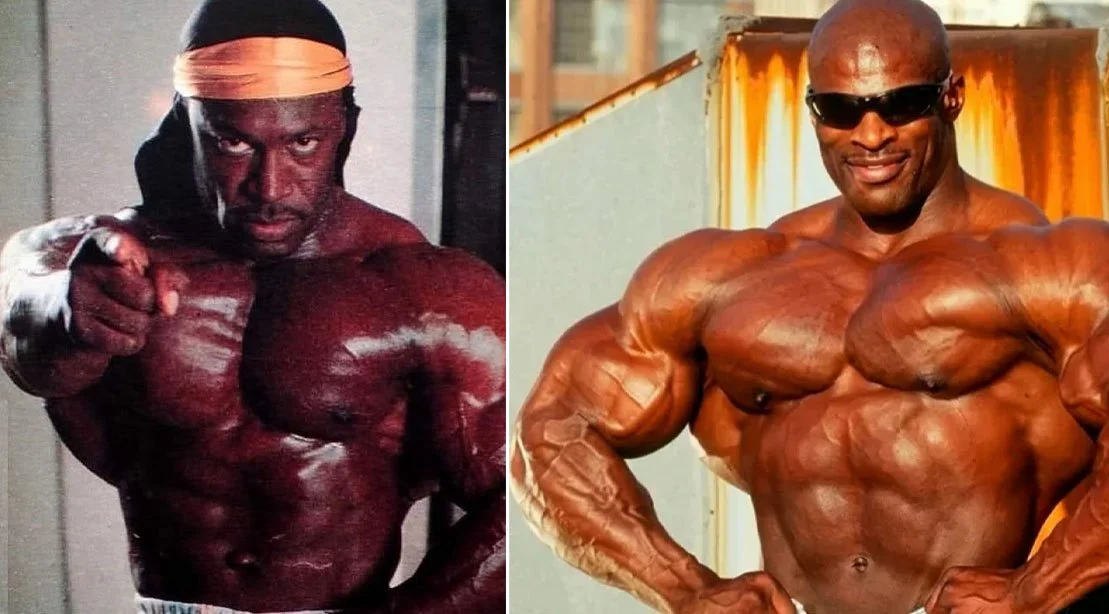
Lee Haney and Ronnie Coleman share the prestigious record for the most Mr. Olympia titles, both boasting eight victories. It's more than just wins; their tenures defined the competition itself. Haney’s reign lasted from 1984 to 1991, while Coleman held his titles from 1998 to 2005. Each set a benchmark that future competitors aimed to surpass, solidifying their legacies. Competitors who follow in their footsteps are often measured against the achievements of Haney and Coleman, making their dominance an enduring part of the sport’s narrative.
Most Titles in Women's Division
Iris Kyle leads the women's division with an impressive record of 10 titles across her 13 appearances from 2001 to 2014. Her journey reflects both hard work and determination, qualities that resonate with fans and aspiring bodybuilders alike. “What I was able to accomplish on that Olympia stage came from within,” she stated, emphasizing the inner drive that propelled her achievements. Kyle's legacy is a testament to the evolving role of women in what has been a predominantly male-dominated sport.
Most Finals Competed
Dexter Jackson, the 2008 Mr. Olympia, holds the record for the most Olympia final appearances, competing in 21 events from 1999 to 2020. This feat is indicative of his unwavering dedication to the sport. He made a remarkable 16 top-six finishes, showing resilience and commitment throughout his lengthy career. Haney and Coleman closely follow, with 14 appearances each. This level of consistency is rare in competitive bodybuilding, where both physical and mental stamina are key. Jackson’s career exemplifies what it takes to maintain elite status in this demanding sport.
Olympia Earnings
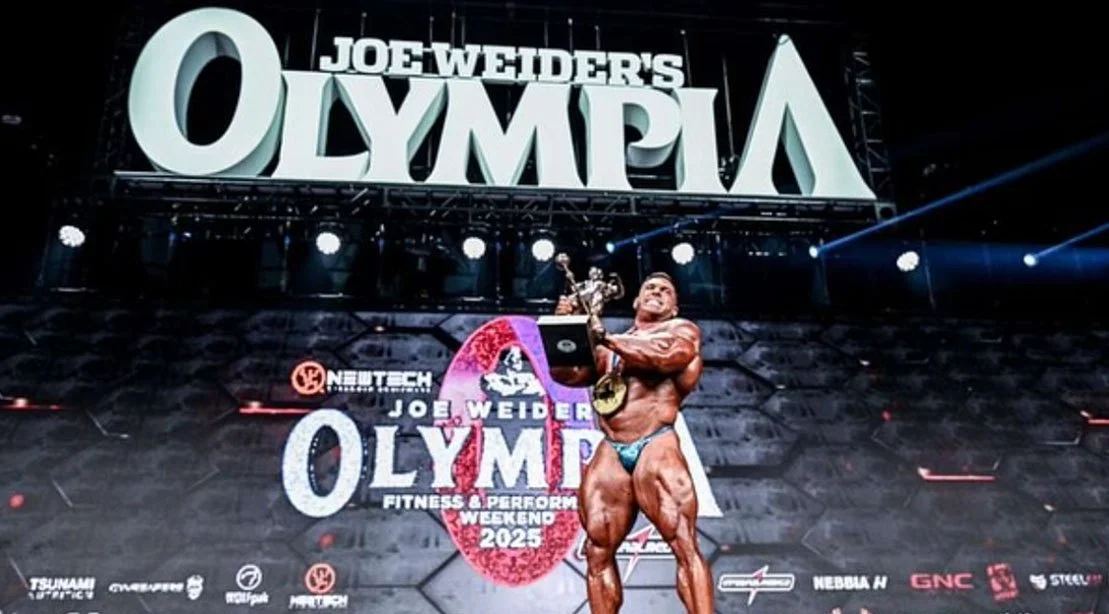
In 2025, Derek Lunsford claimed the largest prize in Olympia history, securing $600,000. While his winnings set a milestone, they pale in comparison to Phil Heath, who amassed an estimated $2.2 million during his seven victories from 2011 to 2017. Heath's repeated top performances earned him significant financial success, including multiple $400,000 paydays. It's clear that while the prize money has increased, the competition's financial rewards still remain heavily skewed towards a few standout performers.
The anticipation builds as bodybuilding's elite prepare for battle at the 2026 Olympia Finals in Las Vegas from September 24 to 27. This event promises to be unforgettable, showcasing the very best in the sport. With new contenders emerging and veterans looking to reclaim their place, the stakes are higher than ever. If you're working in this space, this is the moment to watch; the outcomes could reshape the competitive order for years to come.
For further details about this prestigious competition and the full weekend of fitness events, click here.
Future Outlook for Mr. Olympia
As we look toward the future of Mr. Olympia, various factors could influence its evolution. The competition's growing global appeal indicates a potential for increased participation and viewership, yet the sport must grapple with issues like athlete health and longevity. Enhanced training techniques and dietary strategies have improved performance, but they also come with risks, especially in a sport where extreme physiques are often touted as the ideal. You'll likely see more focus on holistic approaches to training and health, sparking discussions about the balance between aesthetics and athlete wellbeing.
Moreover, conversations about inclusivity are becoming more prominent. Increased visibility for female athletes and new categories have sparked intrigue, challenging traditional standards of competition. What this means for you, the audience, is a richer array of events and narratives that go beyond mere accolades. Just because bodybuilding has a long history doesn’t mean it’s set in stone. This sport could redefine its norms, making it both more appealing and more accessible to a wider audience.
Ultimately, the 2026 finals will be a bellwether for the Mr. Olympia’s future trajectory. As competitors vie for the Sandow Trophy, they’ll be doing far more than seeking personal glory—they’ll be helping to shape the narrative of an institution that’s over half a century old.

Discussion
Sign in to join the discussion.