Sheriff Taiwo shares how walking can be an effective and sustainable strategy for fat loss, even amid a busy lifestyle.
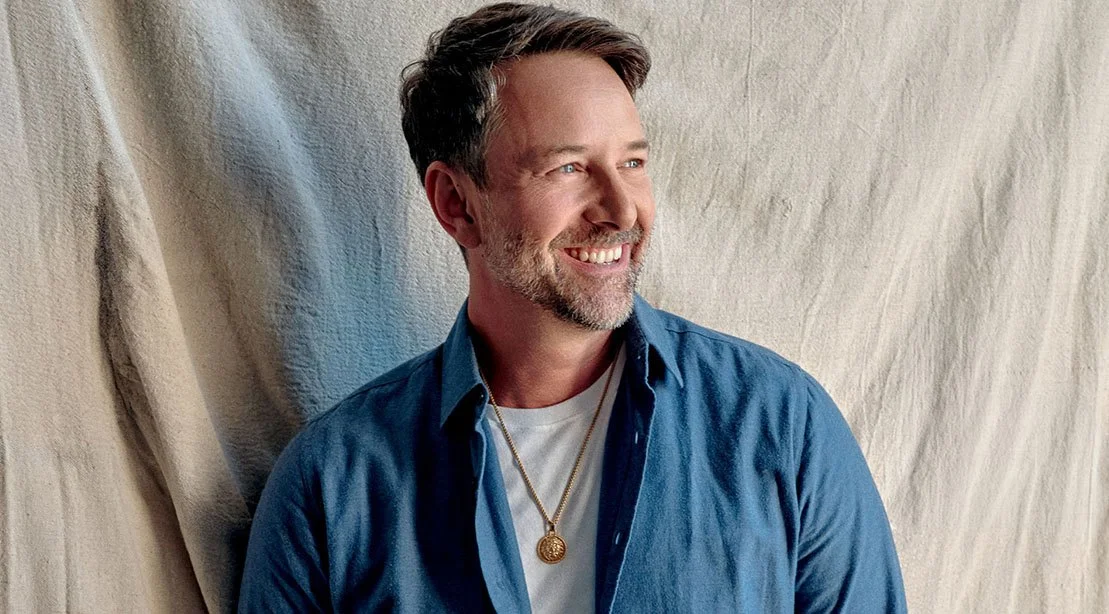
IFBB Pro bodybuilder and father Sheriff Taiwo, known online as “FitDad,” champions walking as a practical strategy for weight loss. For those balancing busy lives, Taiwo asserts that weight loss doesn’t necessitate grueling workouts, but rather simple, consistent walking. This perspective challenges the conventional wisdom that associates fitness success exclusively with high-intensity training and strict dieting.
“What I’m about to share is one of the biggest fast loss hacks,” he comments, explaining that walking isn’t a fleeting trend but a fundamental fitness practice. Taiwo, who competes in the Men’s Physique division, emphasizes that this straightforward activity is accessible for both busy individuals and elite athletes. This approach resonates particularly with parents, professionals, and those who struggle to find time for regular exercise in their hectic schedules.
Why Walking Works for Weight Management
Walking is often underestimated in fitness discussions, yet it offers numerous benefits that extend beyond physical appearance. From enhancing heart health to boosting moods, the advantages of this low-impact activity can significantly improve overall well-being. Taiwo notes its calorie-burning capabilities particularly stand out: “Here’s why walking wins,” he states. “It burns fat without interfering with recovery. I can walk for 45 minutes and still effectively train legs the next day.”
This differentiation is key. Intense cardio sessions can lead to recovery issues and heightened hunger, making it less ideal for weight management. Hard workouts might feel productive, but they often come with their own set of challenges—overexertion leading to vulnerability and cravings. “Hard cardio makes you hungry,” he explains. “Walking doesn’t have you raiding the pantry at 9 PM for snacks.” This point illustrates a crucial insight: exercise should not only be about burning calories but also about fostering a sustainable relationship with our bodies and appetites.
Incorporating Walking into Your Weekly Routine
Taiwo recommends aiming for approximately 150 minutes of walking weekly, translating to about 30 minutes a day over five days. For those pressed for time, he offers practical tips, such as splitting walks into segments throughout the day. “It stacks,” he says. “Ten minutes after breakfast, fifteen at lunch. Twenty pushing my son around the neighborhood after dinner. That totals 45 minutes, without it feeling like a workout.” This breakdown presents walking not just as an exercise but as a lifestyle choice that can be easily integrated into daily routines.
For an average American adult weighing around 190 pounds, a standard 30-minute walk at a pace of 3 mph can burn approximately 150 calories. Sustaining this daily could lead to a reduction of about 1,050 calories weekly. Such figures can be very impactful over time, especially when compounded with sensible dietary choices. Taiwo also highlights that walking is an easily accessible exercise option. “You can walk outdoors, or use a treadmill,” he states. It’s versatile. Most importantly, walking is a sustainable practice, allowing individuals to stay active long-term. “It’s something you’ll continue doing in six months. Consistency wins out over intensity every single time.” This mindset shifts the focus from fleeting fitness fads to lasting, achievable habits.
Implications for Fitness Enthusiasts and Everyday People
What this means for you, whether you’re an athlete or a busy parent, is that embracing walking as a primary form of exercise can significantly simplify your fitness journey. Many people overlook walking, focusing instead on complex workout regimens that often lead to burnout and injuries. This is a route many venture down—but Taiwo urges an alternative path.
The implications extend beyond just individual fitness goals; if walking gained traction as a favored fitness method, it could reshape societal attitudes towards exercise. Communities could promote walking paths, accessible public spaces, and family-friendly events that place walking at the center. This simple act becomes not just a health choice but also a lifestyle alteration that encourages social interaction and outdoor activity.
To connect with Sheriff “FitDad” Taiwo on Instagram, click here.


Discussion
Sign in to join the discussion.