Coal miners are increasingly diagnosed with black lung disease as regulatory measures lag, revealing critical gaps in worker safety protections.
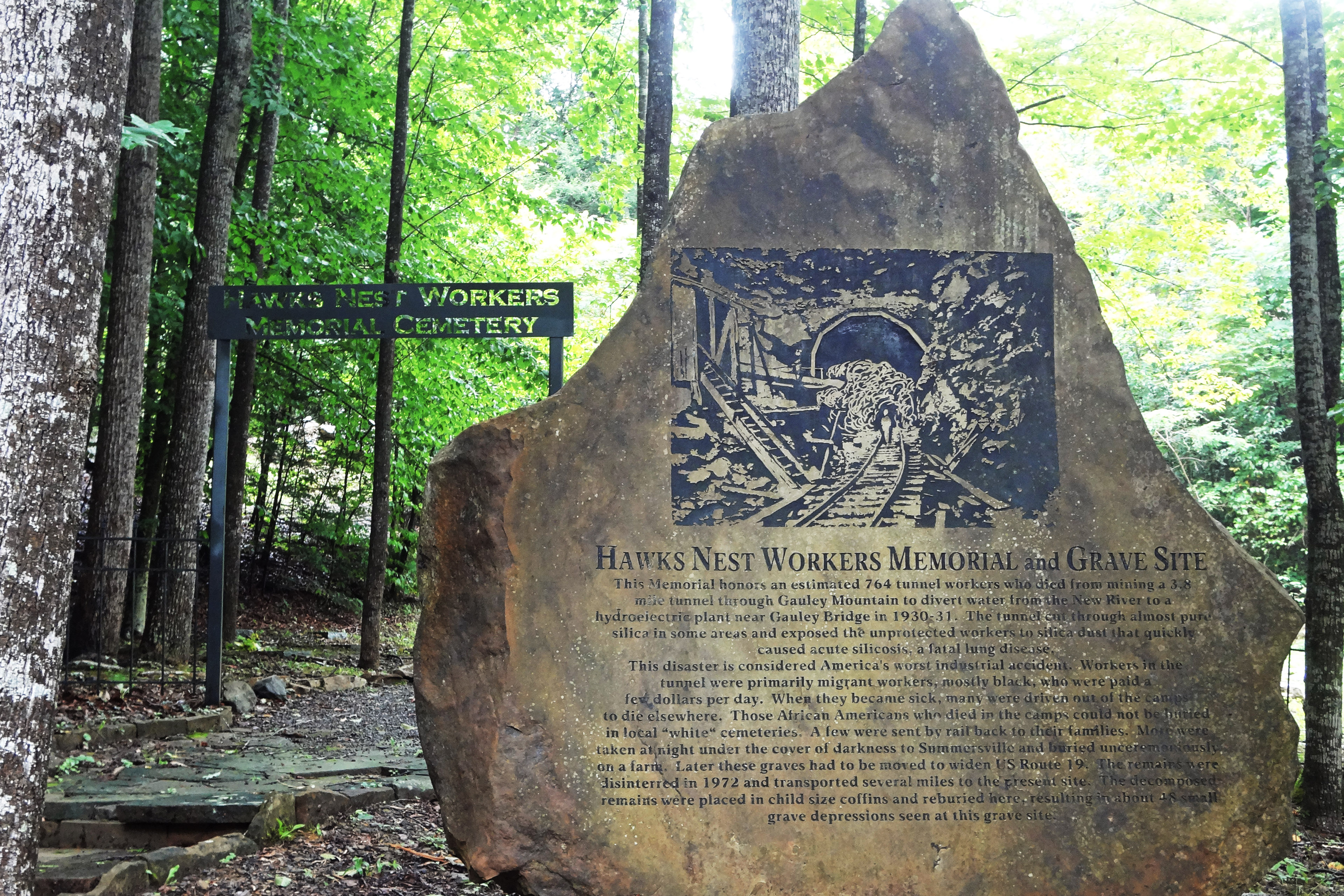
At New River Health in Oak Hill, West Virginia, Lisa Emery witnesses a troubling trend: the rising prevalence of black lung disease mirrors the historical tragedies of coal mining, notably the Hawks Nest Tunnel disaster of the 1930s that claimed over 750 lives due to harmful silica dust exposure. As the director of New River’s Breathing Center and chair of the National Coalition of Black Lung and Respiratory Disease Clinics, Emery's observations highlight a growing crisis in miner health.
The Hawks Nest Tunnel project, which began in 1930 and lasted 18 months, provided a stark reminder of the dangers that still loom over coal miners today. The disaster involved around 3,000 miners, predominantly Black, who battled through dangerous silica dust while risking their lives for extraction operations that would ultimately lead to their illness or death. This harsh reality persists, prompting advocates like Emery to alarmingly demand more from the government in terms of safety regulations.
In April 2022, the Trump administration halted a key rule aimed at reducing allowable silica dust exposure for coal miners, a move that many believe directly undermines efforts to combat black lung disease. This rule would align occupational exposure standards in coal mining with those in other high-risk sectors such as construction and countertop fabrication, where silica dust hazards are similarly acknowledged. However, the Labor Department's Mine Safety and Health Administration (MSHA) has since announced an indefinite delay in enforcing these critical protections.
Gary Hairston, a retired coal miner and the Black Lung Association's president, has lobbied tirelessly for improved working conditions, yet he often finds his concerns unheard by lawmakers. "I’d just like them to look me in the face," Hairston said, voicing frustration over the lack of engagement from officials who hold the power to effect change. The silence is particularly jarring given the shocking statistics emerging from research conducted by the National Institute for Occupational Safety and Health (NIOSH).
Recent findings reveal nearly one in three miners assessed in central Appalachia—comprising regions in eastern Kentucky, southwestern Virginia, and West Virginia—test positive for black lung disease, marking the highest incidence rate seen in nearly five decades. This statistic is a stark increase from the one in five rate recorded in 2018 and significantly higher than the less than one in ten rate reported in 1999. "We knew this would happen," noted West Virginia attorney Sam Petsonk, whose work involves advocating for miners' rights and health.
Understanding Silica Exposure
The increased risk of silica exposure arises as coal seams become harder to access, pushing miners into deeper, silica-rich sandstone layers. These particulates are dangerously small and significantly more toxic than coal dust, leading to serious health consequences for those who inhale them. Kenny Thompson, a former miner, recalls his agonizing experience of working with these materials, ultimately resulting in serious lung surgery and prolonged health battles.
The anticipated silica rule aims to cut the permissible level of silica dust in half, thereby enforcing better mining practices like improved ventilation and water sprays. However, industry representatives, including the National Mining Association, have challenged the practicality of implementing such measures without additional workforce support, citing concerns over the efficacy of personal protective equipment and operational viability in smaller mines.
Despite these arguments, advocates for miners maintain that significant action is necessary to save lives. In April 2025, the Eighth U.S. Circuit Court of Appeals temporarily halted the rule to allow mining operators more time to comply, a decision that further pushes back any potential improvements in safety standards.
In light of the escalating crisis, the Mine Safety and Health Administration under the Biden administration asserts that these protections technically exist but are not enforced. Chris Williamson, the MSHA leader, expressed skepticism over how the mining industry will address safety concerns without jeopardizing existing miner protections.
The Societal Impact of Black Lung
As the sickness affects a younger demographic—recently diagnosing individuals as young as 30—there’s a poignant realization that black lung disease is no longer a relic of the past. The economic ramifications are severe, as Emery notes the plight of individuals forced into disability in their 30s. With many relying on their earnings to support families, the stark reality is that black lung disease disrupts lives beyond just health; it impacts livelihoods and future stability.
The testimonies of miners, like that of Thompson who lost his ability to work and subsequently faced drastic health declines, underscore the profound personal losses associated with prolonged exposure to silica dust. "You know, it put my girls through college," he reflected with wistfulness, recognizing the costs of that struggle against a backdrop of systemic neglect.
With discussions around coal mining shifting to economic renewals, including recent federal investments aimed at revitalizing the coal industry, there remains an urgent plea from health advocates: any plans must prioritize the health and safety of miners. Expert commentators fear that insufficient regulations would amount to a betrayal of those who risk their lives underground for the industry's gains.
As Hairston articulated during a recent event showcasing the plight of miners affected by silica dust, "It seems like coal miners, we’re just a number." The challenge now lies in transforming rhetoric into reality and ensuring that miners are more than just statistics in an unfolding tragedy.
As discussions about safety regulations loom, the future for coal miners remains uncertain, but the call for action is clear: to protect those who sustain the backbone of one of America's oldest industries.
KFF Health News is a national newsroom that produces in-depth journalism about health issues and is one of the core operating programs at KFF—an independent source of health policy research, polling, and journalism. Learn more about KFF.


Discussion
Sign in to join the discussion.