Fenugreek has shown promise in improving sexual function, easing menstrual pain, and enhancing milk production in nursing mothers.
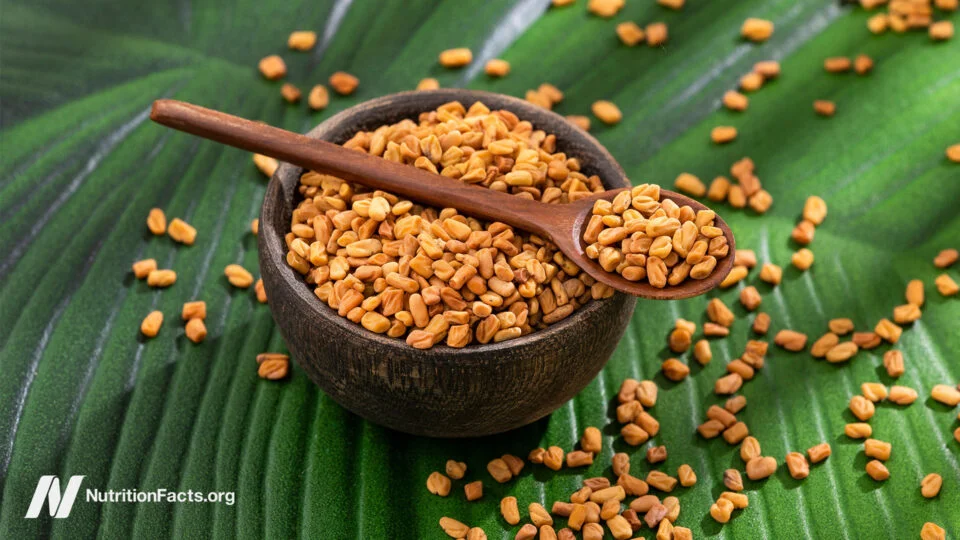
Exploring the Hormonal Benefits of Fenugreek
Fenugreek, a herb that's long been used in traditional medicine, is gaining traction in the wellness community for its potential to aid in muscle mass increase. However, its hormonal benefits go beyond just boosting testosterone levels. Recent studies indicate that fenugreek may have significant effects on sexual function for both men and women, which positions this herb as a noteworthy supplement across various health contexts. Its multifaceted nature means that everyone from athletes to middle-aged women might find value in its incorporation into their regimen.
Impact on Men's Sexual Health
In one notable study, young men who consumed fenugreek capsules for eight weeks experienced marked improvements in strength, body composition, and a reduction in body fat. What’s particularly striking is the correlation between these physical changes and an increase in total blood testosterone levels. Higher testosterone is not just linked to muscle growth; it also plays a role in sexual health. Many participants reported a notable increase in the frequency of morning erections, a primary indicator of male sexual function. Interestingly, the only reported side effect was a maple syrup-like scent in sweat and urine. This quirky outcome is often viewed as an amusing bonus, highlighting how such natural supplements can have unexpected consequences.
Effects on Women's Sexual Function
When it comes to women's sexual health, fenugreek seems to elevate testosterone levels—a hormone that plays a key role in sexual desire for both genders. This is especially significant since pharmaceutical companies have historically explored testosterone patches to enhance female sexual arousal. However, such options have faced scrutiny due to concerns over potential risks, such as blood clots. In controlled trials, women taking fenugreek exhibited improvements in both testosterone and estradiol levels. The results were striking—women reported a doubling of sexual activity compared to those in a placebo group. This dual benefit of boosting testosterone while avoiding pharmaceutical complications makes fenugreek an appealing option.
Menopausal Symptom Relief
Fenugreek has also been recognized for its potential to alleviate menopausal symptoms. A controlled study indicated that participants experienced a significant decrease in hot flashes and night sweats, with symptoms halved over a 12-week period. These findings demonstrate fenugreek's efficacy in enhancing hormonal balance during menopause, an important transition for many women that can otherwise bring discomfort and disrupt daily life. The ability to manage these symptoms naturally, through a plant-based supplement, is a welcome avenue for many seeking alternatives to hormone replacement therapy.
Alleviating Menstrual Pain
Research showcases how fenugreek can effectively manage painful menstrual periods. One particular study employed a straightforward approach, administering common fenugreek powder rather than an expensive proprietary extract. Participants, who took a modest dose during the initial days of their menstrual cycle, reported significant reductions in pain and associated symptoms, such as nausea and fatigue. This accessibility makes fenugreek an appealing option for many women who face severe menstrual discomfort. With affordable ingredients available at most grocery stores, fenugreek opens up practical avenues for women seeking reliable relief.
Enhancing Lactation
For lactating mothers, fenugreek has emerged as a powerful galactagogue, a substance that promotes breast milk production. A clinical trial observed breastfeeding women who supplemented with small amounts of fenugreek, ginger, and turmeric. After just four weeks, participants experienced a doubling of milk production, with notable increases as early as the second week. This effect is crucial for new mothers aiming to establish effective breastfeeding routines. Given the emotional and nutritional significance of breastfeeding, fenugreek's role in supporting lactation can have ripple effects on both the mother and the child's health.
Precautions
While the benefits of fenugreek are compelling, caution is warranted, especially when considering its use during pregnancy. Potential risks, such as uterine stimulation, make it a supplement to approach with care. Health professionals generally advise safe practices based on current research and animal studies. Such guidelines prioritize maternal and fetal safety, reminding us that not all natural supplements are free from risks. If you're working in this space or exploring these options for personal use, consulting healthcare providers is essential.
Implications and Future Outlook
The growing interest in fenugreek reflects a more extensive trend toward natural supplements for addressing hormonal issues. These findings not only validate traditional uses of fenugreek but also challenge the notion that effective treatments must come in highly marketed pharmaceutical forms. As more individuals seek holistic approaches to health, fenugreek might just find itself at the forefront of dietary supplements. What this means for you, if you’re interested in natural products, is that exploring fenugreek could be both a practical and beneficial addition to your health regimen.
Further Reading
For those interested in learning more about fenugreek, additional resources include videos discussing the overall benefits of fenugreek seeds and potential side effects associated with its consumption.



Discussion
Sign in to join the discussion.