Nick Walker clinched the 2026 Mr. Olympia title in a fiercely competitive showdown, defeating top contenders Samson Dauda and Derek Lunsford.
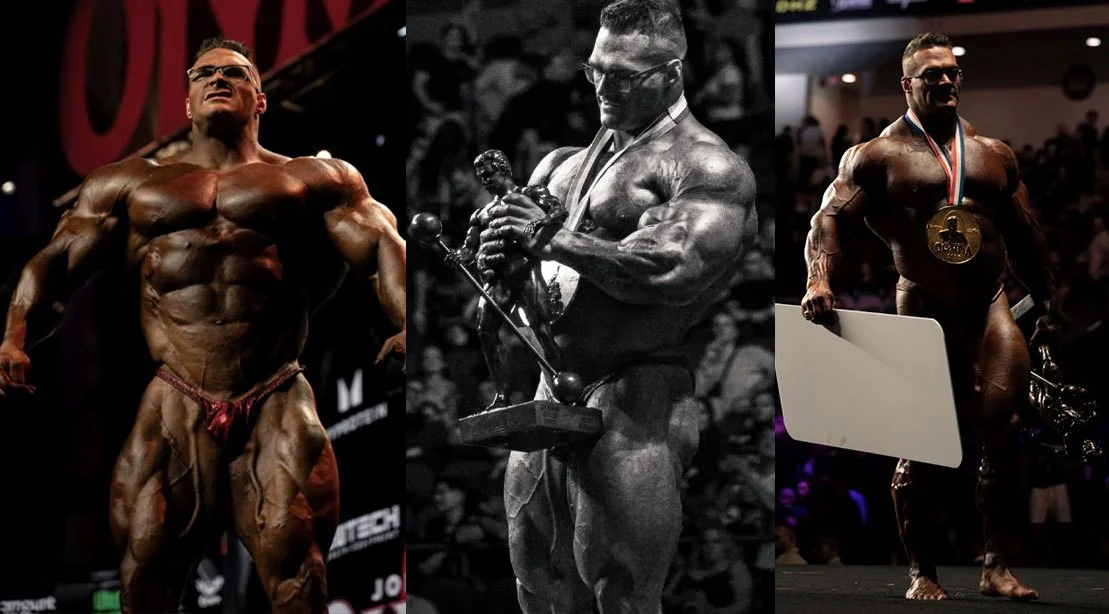
Nick Walker has made headlines by winning the 2026 Mr. Olympia competition, significantly boosting his profile in the bodybuilding scene. Known for his impressive physique that often prompts comparisons to digital enhancements, Walker's victory is particularly striking given his journey over the past few years.
Competition Highlights and Context
Walker triumphed over defending champion Samson Dauda, the two-time title holder Derek Lunsford, and the 2026 Arnold Classic winner Andrew Jacked, securing the coveted Sandow trophy, a prize of $600,000, and the People’s Champion award. The competition was fierce, with the final counts reflecting the closeness of the contest: Walker scored 18, Dauda 20, and Lunsford 24. Such narrow margins underscore the caliber of competitors on stage this year, with no clear disparities separating the top contenders. The contest's intensity reflects a shift in bodybuilding, where the competition isn’t just about having the biggest muscles but also possessing the aesthetics to match.
The competition was not just a display of strength and size but a showcase of the evolution of the sport itself. Walker's ability to rise above such a formidable lineup signals a transformative phase where competitors are not only focused on putting on mass but also on achieving an overall pleasing physique. The prize money, too, has become more substantial, indicating a commercialization of bodybuilding that could influence future competitors and attract a broader audience to the sport.
Walker’s Evolution in Bodybuilding
Walker’s trajectory in bodybuilding has been anything but linear. After securing a third-place finish at the Olympia in 2022, he faced setbacks, missing the 2023 and 2024 competitions and finishing sixth when he returned in 2025. The pressure to perform at such an elite level can be daunting; each setback could easily lead to doubt creeping in. However, Walker’s recent win at Tampa and stellar performance in Vegas suggest he’s well on his way to establishing his legacy. This kind of grit is essential in the bodybuilding world, where mental fortitude often proves just as important as physical prowess.
His evolution includes not just physical changes but also a mental resilience that many fans may overlook. Missing critical competitions often leads athletes to reconsider their training routines and psychological approach. Walker’s journey underscores an essential truth in professional sports: setbacks can lead to greater strength and growth. If you’re working in this space, the narrative isn’t just about the muscles; it’s about the mind behind them.
The Judging Landscape
What makes Walker's success even more pertinent is the discussion it sparks on bodybuilding’s judging criteria. In the competitive Open Mr. Olympia category, judges look for more than sheer size; aesthetics, symmetry, conditioning, and stage presence play pivotal roles. Walker, while certainly impressive, doesn't necessarily conform to the classic ideals of bodybuilding that some fans and judges advocate. This speaks to a fundamental dissonance in the sport itself, with an ongoing conversation about what constitutes the "ideal" body. The judges’ criteria often reflect personal preferences that can sway results, making the outcomes unpredictable.
This year's competition had no shortage of talent. Not only did Walker surpass Dauda and Lunsford, but Andrew Jacked, coming off multiple wins prior to Olympia, also placed fourth. The caliber of the lineup raises the stakes—for a bodybuilder to claim victory this year meant defeating not just talented individuals but established legends in the sport. The mix of seasoned competitors and rising stars signals a potential shift in the sport's hierarchy. Walker’s victory might cement his status as an emerging icon capable of attracting new fans and participants to bodybuilding.
Controversy and the Nature of Victory
The differences between Walker's physique and that of Dauda highlight a fundamental aspect of bodybuilding: judging is inherently subjective. The razor-thin margins indicate that, while Walker emerged victorious, the discussions regarding muscle aesthetics will likely continue within the community. Many may argue over what the ideal physique should represent, and Walker's win could reignite debates about the true essence of bulk versus balance. This isn’t just a minor discussion; it’s vital to how future competitions are perceived and valued.
Ultimately, the essence of bodybuilding shines through regardless of the subjective judgments. As Walker demonstrated on competition day, the ultimate goal remains: to present the best version of oneself when it counts most. This year, Nick Walker did just that, securing not just a title but a narrative of perseverance and success against a formidable field. What will come next for Walker remains a matter of speculation, but for now, he stands tall as a newly minted champion. And one can only wonder how those who came before him, like Joe Weider, would view such a unique figure in the sport.
Significance and Future Outlook
Walker’s victory at the 2026 Mr. Olympia carries implications beyond his personal success. It represents a shift in how talent is evaluated and rewarded in bodybuilding. As more competitors challenge traditional aesthetics, the standards may change, potentially favoring athletes who fit unconventional molds. This might encourage upcoming bodybuilders to diversify their training regimes and presentation styles. It also raises questions about the sport's relationship with fans, who often carry nostalgic views about classic physiques.
Going forward, Walker's example might inspire a new generation of competitors who might redefine what it means to be a successful bodybuilder. The conversations around aesthetics versus competitiveness are bound to grow more intricate, shaping the future of bodybuilding. That said, for Walker, his challenge isn’t just to defend his title but to innovate within a sport that’s constantly evolving while staying true to his own identity as an athlete.



Discussion
Sign in to join the discussion.