Essential Strength Training Tips for Healthy Aging by Dr. Vonda Wright
Published Oct 03, 2026Reads 841By Christopher Garcia
Dr. Vonda Wright shares vital strength training strategies for aging, emphasizing progressive weight lifting and tailored approaches for men and women.
Strength Training Insights from Dr. Vonda Wright
Navigating the complexities of aging often requires proactive approaches to maintain strength and vitality. Dr. Vonda Wright, an orthopedic surgeon and healthy aging specialist, offers surprisingly straightforward advice for those looking to enhance their physical resilience as they age. If you’re in the fitness community or simply interested in longevity, this is essential knowledge.
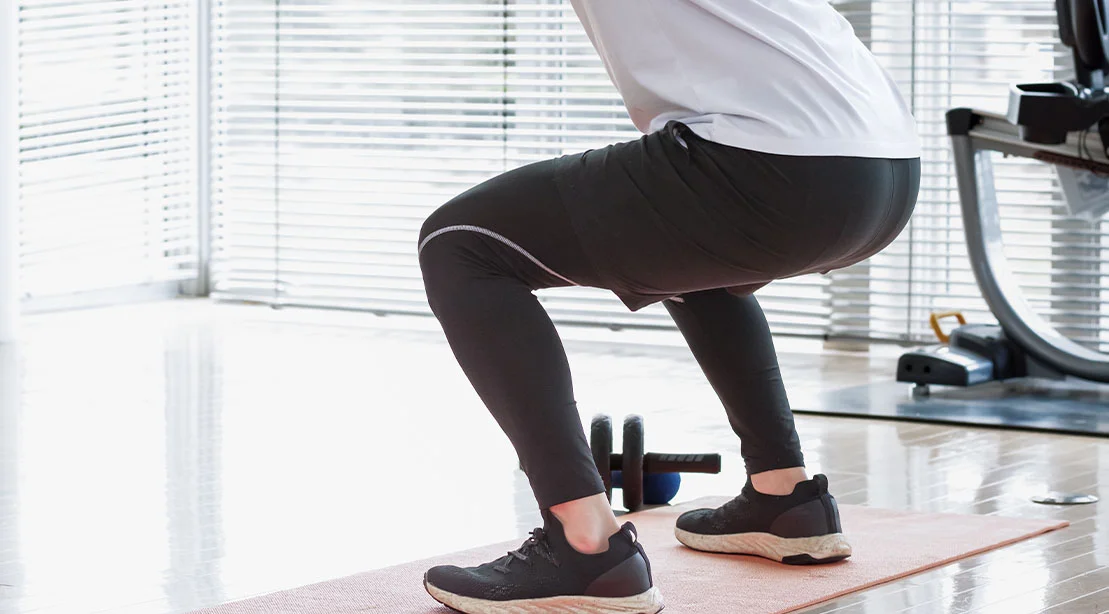
Dr. Wright's formula revolves around progressive resistance training. When pressed for her recommendations on how frequently to exercise and the ideal repetition range, she emphasizes the importance of consistency. Her take? “The bare minimum for effective training is a couple of days each week of progressively lifting weights.” This guidance, as articulated in her appearance on *The Diary of a CEO*, encapsulates her perspective on strength training.
That said, what exactly does “progressively lifting” entail? At its core, this principle involves gradually increasing the demands placed on your muscles—whether through lifting heavier loads, adding more repetitions, or minimizing rest time between sets. It’s about making your workouts increasingly challenging over time to stimulate muscle growth and adaptation.
Delving deeper into specific guidelines, Dr. Wright contrasts male and female training strategies. For men in midlife, she suggests targeting around eight repetitions across four sets, while women—once they’ve established a solid strength base—should focus on four reps at heavier weights, also for four sets. Why this gender-specific distinction? The answer lies in hormonal changes, particularly during menopause, which lead to diminishing estrogen levels that can negatively affect muscle maintenance.
Dr. Wright explains that estrogen is essential for muscle development; lower levels during menopause mean that women must rely more on the intensity of their workouts to signal their bodies to build and repair muscle tissue. “Estrogen creates growth, so we must signal our bodies through heavier lifting,” she insists.
Importantly, it’s never too late to begin this journey. Dr. Wright reassures everyone that any body can respond positively to strength training regardless of age or fitness level. This motivational stance is critical, especially for those who might think they’ve missed the window for effective strength training.
In terms of strategy, she believes that lifting heavier for fewer repetitions not only builds muscle but also enhances functional power—the ability to perform everyday tasks with ease. This distinction between overall strength and functional ability is vital; as we age, the ability to lift a suitcase or rise from the ground becomes increasingly important for maintaining independence.
With Dr. Wright’s insights, it’s clear that a strategic approach to strength training can significantly influence healthy aging. If you're in a position to guide others or pursue this path for yourself, now is the time to embrace these principles actively.
Final Thoughts: Empowerment Through Fitness
What stands out in this exploration of strength training and workout plans is the accessibility and encouragement they offer. The array of challenges and plans highlighted, from the **4-Week Strength Training for Weight Loss** to the **7-Day Ultimate HIIT Challenge**, reflects a growing trend in fitness—tailored programs that recognize different needs and levels of experience. If you’re working in the fitness realm, this paradigm shift is worth noting. People are increasingly seeking structured guidance to stay motivated and see real results.
But here's the thing: while these structured plans provide a great starting point, the sustainability of a fitness regimen ultimately relies on personal commitment. The convenience of digital workout plans might draw people in, but real change happens when individuals integrate these workouts into their daily routines. More often than not, the journey to a healthier lifestyle isn’t just about the workouts themselves; it’s also about mindset and persistence.
And yet, while the plans and graphics presented are visually appealing and seemingly informative, they raise a larger question about the long-term effectiveness of such short-term challenges. In a culture obsessed with quick fixes, will participants remain engaged enough to continue beyond the initial "challenge"? The answers may differ for every individual, suggesting a complex interplay between motivation and results.
Ultimately, these fitness plans represent more than just workout regimes; they're an invitation to embrace health and wellness on one’s own terms. But if the fitness community fails to emphasize long-term engagement strategies, we risk seeing these initiatives as fleeting trends rather than gateways to sustained health. As you consider your own path or that of your audience, remember—empowerment through fitness is not just about the workout; it's about fostering enduring habits and a continuous journey toward well-being.


Discussion
Sign in to join the discussion.