Influencer Sun Yuanyuan, known as "Abeeeer," faces backlash and loses sponsorship after being caught cheating at the Berlin Marathon.
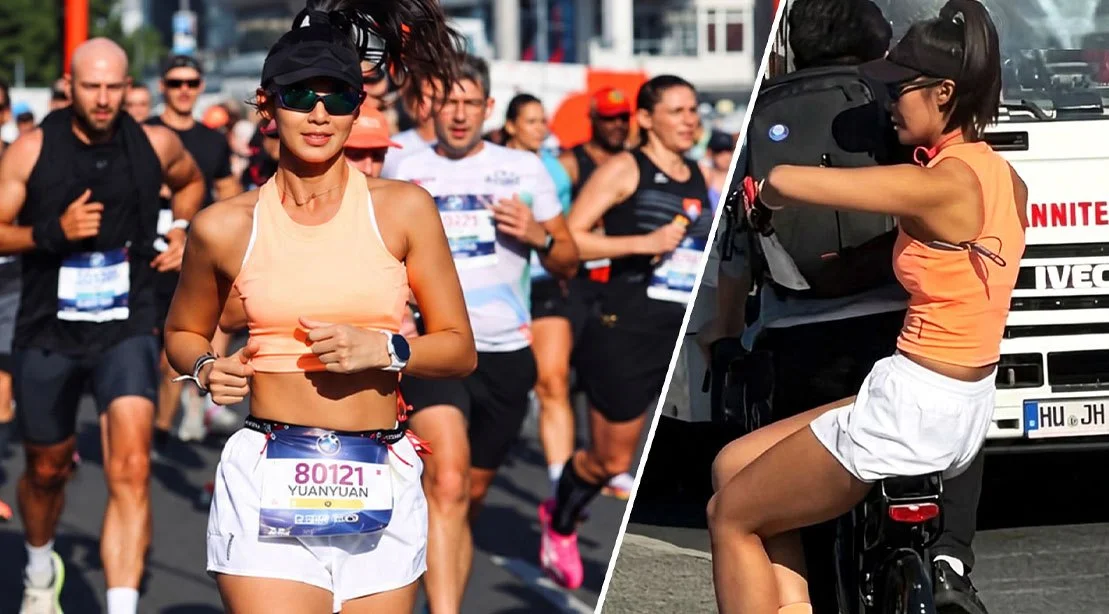
Sun Yuanyuan, who goes by “Abeeeer” on social media, has found herself at the center of controversy after being caught riding a bike during the Berlin Marathon on September 26, 2026. With a following of over 500,000 on RedNote, her incident has raised eyebrows, especially as she previously boasted about achieving a personal best. While marathon running has become a popular participatory sport attracting amateur athletes worldwide, it’s crucial to acknowledge that integrity in competition is foundational — a principle now under threat by incidents like these.
The Incident and Its Aftermath
Photographs emerged showing Abeeeer on a bicycle between the 35 and 40km markers, right when her reported fastest split occurred. This revelation has sparked considerable outrage among fellow marathon participants who invest countless hours training and competing fairly. When shortcuts like these come to light, they not only tarnish the event but also undermine the credibility of all athletes participating. A single incident can taint the public perception of marathons, which have long been celebrated for their competitive spirit and the dedication required to complete them.
Cynicism among spectators is palpable as social media feeds overflow with criticism and disbelief. Many runners view Abeeeer's actions as a betrayal of their shared commitment to fair competition. The ripple effects of this controversy extend beyond her personal reputation; they grip the entire marathon community and can discourage potential participants in future races. After all, hard work and perseverance are the ethos of marathoning, and her behavior, which many would label as cheating, disrespects this effort.
Abeeeer’s Apology and Sponsorship Fallout
In response to the uproar, Abeeeer issued an apology on October 3, claiming that she had been “feeling unwell” during the race. This explanation, however, does little to alleviate the concerns raised by her actions. It's common for athletes to face physical challenges during a race, yet few resort to such extreme measures as biking to bypass those hurdles. The authenticity of her apology is now under scrutiny, as many wonder whether it’s a sincere reflection of her remorse or simply damage control.
Nonetheless, her sentiments did little to salvage her relationship with Brooks China, which quickly ended its sponsorship deal. Sponsorships are often predicated on the athlete's image and performance, so when that image is marred by dishonesty, the fallout is typically swift. Influencers in this space often find themselves walking a tightrope, balancing visibility and trust — one misstep can jeopardize their career.
Moreover, Brooks China has publicly offered its own apology to marathon runners and its customer base, stating that they will reassess their selection process for future collaborators. This incident serves as a reminder of the importance of integrity in sports, particularly within the realm of social media-driven fame. Brands invest considerable time and resources into their athletes, and a scandal like this can necessitate a reevaluation not only of the individual but also of the overall marketing strategy. This ramifications ripple through the brand equity as consumer loyalty hinges on perceived authenticity in endorsements.
Wider Implications for Athletic Integrity
The implications of this episode extend far beyond a single influencer's tarnished image. It raises profound questions about the role of social media in sport and the type of behavior encouraged by influencer culture. As followers turn to social media for inspiration on both fitness and lifestyle, the line between role model and hypocrite can blur. What this means for you, especially if you’re working in this space, is a growing need for transparency among those who profit from their athletic accomplishments. Unethical behavior can alter public trust, leading to a loss of engagement across platforms.
Sports bodies and organizations may also find themselves in a bind as they work to preserve the integrity of their events. The rise of social media influencers in competitive spaces puts traditional athletes and events under a microscope. It calls into question the measures currently employed to oversee such events. Should race organizers impose stricter regulations to protect their reputation against potential misconduct? Perhaps they need to evaluate the definitions of fairness and professionalism in the context of modern athleticism.
Future Outlook: Rebuilding Trust
As the dust settles from Abeeeer’s incident, the focus shifts to rebuilding trust within the marathon community. Will new guidelines emerge to help prevent situations that could damage the athlete's reputations? It seems the future will hinge on how well organizations respond to this breach of trust. Increased scrutiny over accountability may emerge, as the gravity of actions weighs heavily not just on individual athletes, but on the sports ecosystem as a whole.
Marathon runners, brands, and federations alike must recognize that the stakes are higher now, thanks to the pervasive nature of social media. Trust is easily eroded and much harder to restore; it’s a long road ahead. In this climate, every athlete would do well to remember that their actions count—both on and off the track. In a world that constantly seeks authenticity, staying true to one’s commitments can make all the difference.



Discussion
Sign in to join the discussion.