Ben Shelton highlights how tailored training and recovery routines are key to excelling in professional tennis, emphasizing adaptability and consistency.
As Ben Shelton progresses through a tournament, the stakes elevate, demanding not just skill but an exceptional level of physical durability. The late stages of events require players to balance explosive performance with the need to stay healthy amid the rigors of long matches and rapid turnovers. The wear and tear of a professional tennis season necessitate a focus on both training and recovery in ways that evolve over time.
The Essence of Versatile Training
At the core of Shelton's training philosophy is the need for a well-rounded athletic base. Tennis is unique in that it demands endurance for prolonged performance, coupled with speed and explosive bursts to transition effectively during play. Shelton explains, "You have to be able to navigate the endurance aspects of the game as well as the explosive physical aspects. It’s not easy because tennis is such a technical sport, and there’s only so many hours in a day.”
While early in their career, players might benefit from broad athletic training, those who advance must tailor their routines to the specific demands of tennis. Shelton emphasizes that rather than focusing intensely on one aspect, successful athletes adapt their training based on ongoing assessments of their bodies and game requirements.
“Throughout the year, your program changes depending on how your body’s feeling, where you have deficiencies, or areas of your game that you need to work on,” he argues. Adaptability proves crucial; if a player finds a weakness or faces a different set of challenges based on tournament demands, the training regimen should shift accordingly. This responsiveness is more essential than adhering to a static routine.
Prioritizing Recovery
For Shelton, effective recovery begins even before the match concludes. As soon as a Grand Slam event kicks off, the focus transitions from building fitness to maintaining it. "Once you get to a tournament, it’s a battle to stay healthy and pain-free throughout,” he shares. This battle involves not only physical treatment but strategic rest and recovery methods that evolve with each match’s demands.
Following a grueling match, Shelton adopts a structured cooldown process, starting with 10 minutes of gentle cycling to bring his heart rate down, followed by stretching and mobility exercises. "Refueling comes immediately afterward with food or a protein shake," he adds. Timing for treatment is crucial; late matches may necessitate delaying physiotherapy until the next day, while earlier finishes allow for immediate attention that night.
Moreover, prevention plays a key role in Shelton's recovery strategy. He stresses, “There’s way more done on the pre-side, in terms of warmups and activation.” A typical pre-match routine includes 10-15 minutes dedicated to isometric exercises, targeting lower body stability. “Isometrics are a great way to prime the body before engaging in physical sports,” he reflects. This focus on foundational work helps keep injuries at bay, illustrating that success often hinges on the less glamorous preparation tasks.
Detailing a Professional Routine
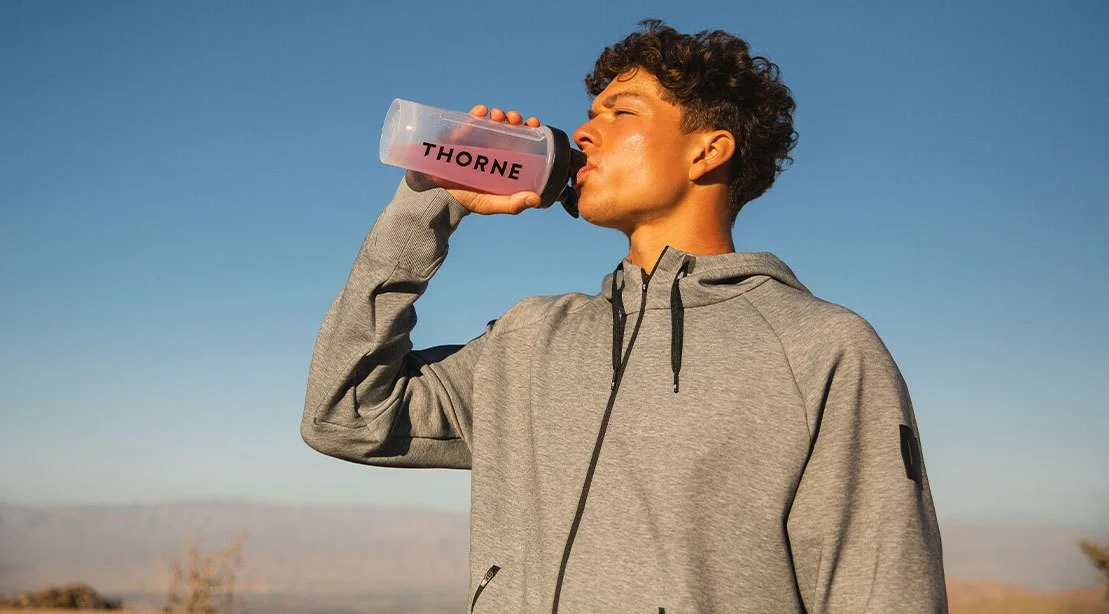
Part of what shapes Shelton's disciplined approach includes his daily supplementation. He collaborates with Thorne, incorporating various products into his regimen. Daily use of creatine, beta-alanine, and electrolytes ensures consistency across his training and competitive phases. “I use the products every single day,” he affirms. This routine addresses the fluctuating nature of a professional athlete’s schedule by injecting stability into his diet and recovery efforts.
Given the strict regulations on substances in athletics, Shelton understands the gravity of his choices: “Putting a contaminated substance into your body can derail your career. You’ve got to be extremely careful.” Researching his supplements, particularly focusing on third-party testing, was key to fostering trust with the brand. As he moves further into his professional career, Shelton's meticulousness reflects an evolved understanding of performance fundamentals.
With an acute awareness of his nutritional and physical needs, Shelton states, “I’ve just become more professional in every aspect,” emphasizing the importance of fine-tuning the details that contribute to sustained performance in a demanding sport.
A Practical Workout Inspired by Shelton
For those looking to incorporate some of Shelton’s training strategies into their routine, a foundational 35-minute workout highlights isometric activation, lower-body strength, explosive movement, and endurance, mirroring elements of his training methodology.
Isometric Activation: 8 Minutes
- Calf raise hold: 30 seconds
- Split-squat hold: 30 seconds per leg
- Glute bridge hold: 30 seconds
- Wall sit: 30 seconds
- Rest 30 seconds between rounds
Athletic Strength Circuit: 12 Minutes
- Goblet squat: 10 reps
- Reverse lunge: 8 reps per leg
- Pushups: 10–15 reps
- One-arm dumbbell row: 10 per side
- Lateral skater bound: 8 per side
- Plank shoulder taps: 20 total
Explosive Conditioning: 10 Minutes
Utilize an assault bike, treadmill, or similar equipment:
- Hard effort: 20 seconds
- Easy recovery: 40 seconds
Shelton-Style Cooldown: 5 Minutes
Finish with two minutes of light cycling or walking, followed by three minutes of static stretching for major muscle groups.
By adopting these principles, even amateur athletes can learn from Ben Shelton's comprehensive approach, blending skill with athletic discipline, ultimately aiming to elevate their game.

Discussion
Sign in to join the discussion.