BPC-157, dubbed the "Wolverine peptide," has surged in popularity among athletes for its unproven healing claims, spurring both interest and caution in its use.
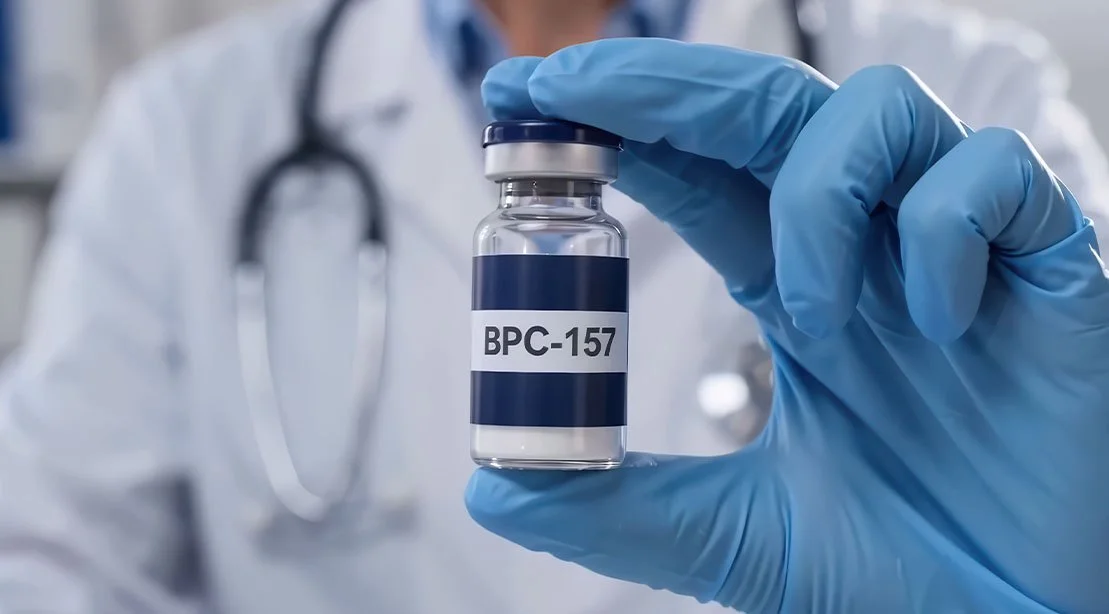
BPC-157, or Body Protective Compound 157, has gained significant traction in fitness communities, capturing attention not only for its promising healing abilities but also for its controversial lack of FDA approval. Once an obscure topic shared among niche groups in gyms and online forums, it now boasts a substantial following. The compound is hailed for its purported ability to expedite recovery from injuries, including sports-related ailments, gastrointestinal issues, and even chronic pain. Whether borne from genuine enthusiasm or desperation to recover faster, the growing interest in BPC-157 is noteworthy.
Understanding BPC-157's Healing Claims
BPC-157's nickname, the "Wolverine peptide," speaks volumes about its perceived effectiveness. This monicker arises from its rumored capacity to dramatically speed up the body’s healing processes. Anecdotes proliferate, with users claiming that BPC-157 helps them recover from everything from torn ligaments to minor cuts with breathtaking speed. Often paired with TB-500 in what enthusiasts refer to as the “Wolverine Stack,” BPC-157's appeal lies in much more than its catchy moniker; it’s about the fervent hope for accelerated recovery times.
One key aspect to consider is how the hype around BPC-157 correlates with its rising popularity in the broader wellness community. Emerging research from health-data firm nference analyzed over 15 million medical records and found 1,039 documented cases of BPC-157 usage. The increase in documented cases—by about 33 times from 2020 to 2026—highlights a significant shift from underground discussions to mainstream recovery conversations. While this preliminary data isn’t peer-reviewed and is far from definitive, it does point toward a trend that could shape how we view non-FDA-approved treatments in the future.
Demographics of BPC-157 Users
The demographic landscape surrounding BPC-157 users is aging down, with younger individuals, primarily male, increasingly attracted to its benefits for sports injuries, chronic pain, and even digestive issues. This demographic shift is noteworthy, especially considering that younger people are generally more willing to experiment with unapproved treatments, often riding the wave of influencers promoting these peptides online. The primary sources for BPC-157 appear to be compounding pharmacies and unofficial sellers operating in the gray market, providing easy access yet uncertain quality.
This scenario raises pressing concerns about the potency and authenticity of the product. With BPC-157 remaining unapproved by the FDA for any therapeutic use, the prospects for substantial regulation seem dim. The reputation BPC-157 enjoys largely stems from animal studies rather than rigorous human trials. The existing body of research lacks the controlled studies necessary to definitively attribute positive recovery outcomes directly to BPC-157. Consequently, anecdotal evidence from self-reported user experiences can’t replace the scientific rigor required to validate such claims. You have to wonder: Are these recovery stories a reflection of the peptide’s efficacy or merely the result of natural healing, physical therapy, or unrelated factors?
Regulatory Landscape
With the growing discourse around BPC-157, regulatory bodies are taking a closer look. Recently, an FDA advisory committee suggested the possibility of allowing limited compounding of BPC-157. However, it’s crucial to understand that advisory votes are preliminary and don't equate to approval or endorsement of the compound’s effectiveness. Until a final decision is reached, the regulatory status of BPC-157 remains fraught with ambiguity.
And yet, this ongoing scrutiny reflects broader concerns about how emerging therapeutic agents are viewed in the realm of medicine. As society moves toward more integrative health strategies, the challenge will be balancing patient desires for quick recovery with the fundamental requirements for scientific validation. If you're working in this space, understanding these dynamics will be invaluable in navigating the murky waters of peptide therapies.
Risks of Online Purchases
There's a pressing issue when it comes to purchasing peptides like BPC-157 online: authenticity. A recent investigation by WIRED tested several products marketed as BPC-157, with alarming findings that many lacked the advertised active ingredients. Such discrepancies only exacerbate the confusion surrounding this substance and underline the risks involved in sourcing it through unofficial channels. The potential dangers posed by counterfeit or subpotent products could not only undermine consumer confidence but also lead to ineffective or even harmful experiences.
I don’t oppose the use of peptides per se—many have blossomed in sports medicine—but BPC-157's reputation remains speculative. I tried it myself and noticed positive effects, but those personal experiences can’t stand in for scientific proof. The story of BPC-157 seems more about a community eager to embrace something new despite the uncomfortable lack of concrete evidence supporting its benefits. It raises a fascinating question about how far individuals are willing to go in seeking unproven remedies for challenges in their health and fitness journeys. (And this is the part most people overlook.) This discussion is no longer strictly about whether BPC-157 works; it’s a narrative about the tens of thousands of people drawn to its possibilities amidst significant uncertainty in formal healthcare frameworks.
This situation sounds painfully familiar, doesn’t it? The allure of quick fixes and miraculous cures often leads to both hopeful treatments and alarming pitfalls. Without robust scientific backing, the trajectory of BPC-157 remains as much about caution as it is about its burgeoning appeal.
Implications and Future Outlook
What does this all mean for the future of peptides in medicine? The rise of compounds like BPC-157 reflects broader societal trends toward self-treatment and preference for alternative solutions, particularly among younger demographics. As more people turn to the internet for health advice, the demand for unapproved treatments may continue to grow, prompting a reevaluation of how regulatory bodies approach these substances.
This trend also presents challenges for medical professionals, who may find themselves navigating a landscape populated by patients armed with information gleaned from online forums rather than clinical data. While peptides like BPC-157 may offer exciting new possibilities for recovery, the medical community urgently needs to ensure that robust standards and regulations develop around these therapies to ensure patient safety. The ongoing dialogue about the efficacy and legitimacy of BPC-157 could ultimately influence its acceptance and integration into traditional medical practice.
In essence, the implications of BPC-157’s rise extend beyond the fitness community, touching upon larger themes of how we understand recovery, regulation, and the evolving relationship between science and patient autonomy.



Discussion
Sign in to join the discussion.