Starting Strength remains a powerful program for novice lifters, emphasizing foundational barbell techniques and gradual progression for strength gains.
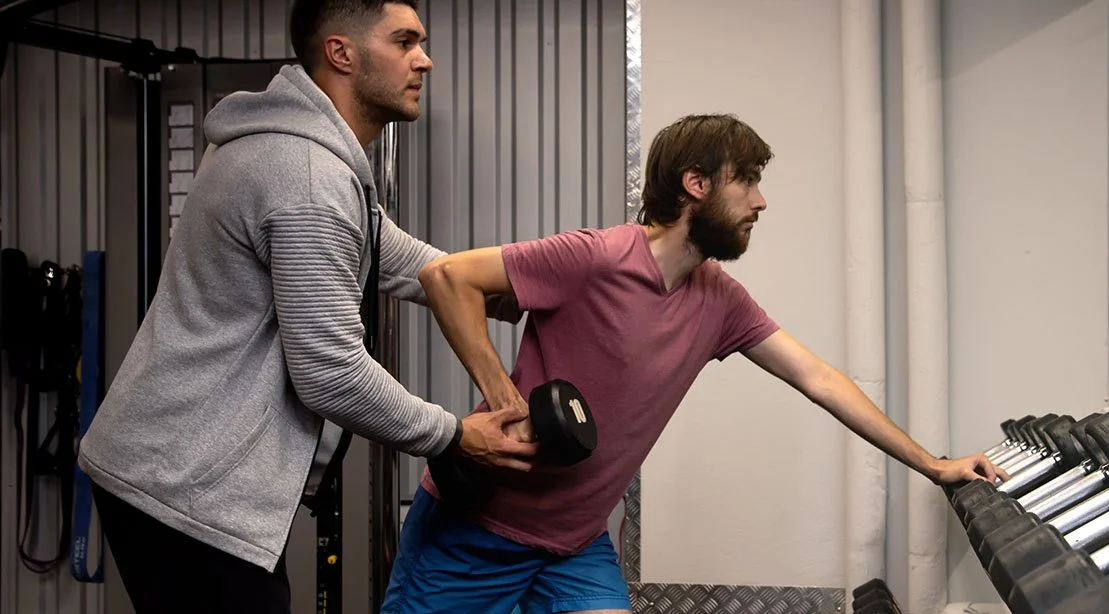
In a world overflowing with advanced training methods and high-tech fitness apps, the Starting Strength program stands firm in its simplicity. This method encourages athletes to master fundamental barbell lifts, focus on technique, and progressively add weight to drive strength gains, making it a timeless choice amidst a sea of modern alternatives.
Understanding Starting Strength
Founded by Mark Rippetoe—a seasoned powerlifter and strength coach—Starting Strength emerged from years of practical experience at the Wichita Falls Athletic Club in Texas. Rippetoe identified that for beginners, the complexities of intricate workout plans could often lead to confusion and stagnation. Instead, he proposed a straightforward methodology focusing on the essentials: applying stress to stimulate strength, allowing adequate recovery, and consistently adding weight.
Novice Linear Progression: The Core of Starting Strength
The heart of the program lies in its novice linear progression scheme. Here, rather than navigating complicated cycling or periodization, lifters focus on small, incremental increases in weight after each workout. The use of lighter 1.25- and 2.5-pound plates makes this approach manageable for newcomers, enabling them to experience rapid strength gains while learning correct form.
Core Exercises of the Program
Every effective program hinges on the right exercises, and Rippetoe's selection is centered around a few key compound lifts that engage multiple muscle groups:
1. Low-Bar Back Squat
Rippetoe champions the low-bar back squat, emphasizing a full range of motion where the hip crease dips below the knee. This position maximizes muscle engagement, while the bar's path should stay over the midfoot—ensuring the most efficient lifting path.
2. Overhead Press
For the overhead press, Rippetoe recommends a subtle shrug at the summit of the lift to stabilize the shoulder blades, facilitating a secure grip while encouraging a slight natural wrist extension during the movement for comfort and functionality.
3. Deadlift
With the deadlift, the focus again returns to midfoot positioning, ensuring that the bar starts close to the shins. Rippetoe's methodology also involves engaging the glutes effectively by pushing the knees outward, which enhances lifting mechanics.
4. Bench Press
In performing the bench press, he suggests a grip that allows for vertical forearms, enhancing the overall stability of the lift. Proper gaze direction and positioning of the bar play crucial roles in lifting efficiency.
5. Power Clean
The program concludes workouts with the explosive power clean, reinforcing strength while also introducing dynamic movement. Rippetoe prefers this lift at the end of the session to concentrate on pure strength development rather than power alone.
Structure of Starting Strength Workouts
The workout regimen is divided into alternating A/B sessions, each focusing on a select few lifts to maximize learning and strength development. In this structure, lifters squat during every workout while switching between two major presses:
| Workout A | Workout B |
|---|---|
| Back Squat 3 x 5 | Back Squat 3 x 5 |
| Overhead Press 3 x 5 | Bench Press 3 x 5 |
| Deadlift 1 x 5 | Deadlift 1 x 5 |
This structured approach enhances consistency and assists lifters in refining their craft while steadily increasing strength after each session. The recommended schedule allows for three non-consecutive training days each week, promoting recovery as well.
Intensifying the Program
Once beginners exhaust linear progression, Rippetoe introduces intermediate variations and assistance exercises. As lifters become proficient, power cleans and other supportive movements are systematically incorporated to address accumulated weaknesses and prevent plateauing.
Examples of Assistance Work
Rippetoe advocates for a selection of assistance exercises, including:
- Chin-Ups: Targeting upper back muscles to complement pressing movements.
- Halting Deadlifts: Strengthening the lower back and reinforcing proper deadlift form during the initial pull.
- Pause Squats: Increasing time-under-tension, ensuring an effective lift from a standstill position.
- RDLs and Stiff-Legged Deadlifts: Enhancing posterior chain development.
- Pendlay Row: Focusing on the back with controlled volume.
Who Benefits from Starting Strength?
Starting Strength effectively serves novice athletes seeking a solid foundation in strength training. It’s especially useful for:
- Individuals new to barbell training.
- Those preferring straightforward, no-frills programming.
- Athletes needing to build muscle for their sport.
That said, this program might not suit experienced lifters who have already mastered linear progression or those preferring diverse exercise varieties.
Assessing Strengths and Weaknesses
No training regimen is without its flaws. While Starting Strength excels in simplicity and keeping beginners engaged with frequent practice, it's important to note its limitations:
Pros
- Simplicity: Streamlined approach limits distractions and encourages focus on key lifts.
- Frequent practice: Regular engagement in core lifts aligns with skill development and strength acquisition.
- Efficiency: Minimalist training structure achieves substantial results without excessive volume.
- Significant strength gains: Many lifters see dramatic improvements within a few months.
Cons
- Progression limitations: Eventually, lifters may find that the linear approach doesn’t accommodate heavier loads.
- High recovery demands: The need to recover from frequent heavy lifting can increase fatigue.
- Restrictive exercise selection: A focused set of lifts may not meet everyone's training preferences.
As a whole, Starting Strength is not merely about following a program; it fosters a mindset focused on fundamental strength acquisition through disciplined training and consistent effort.
Final Thoughts
Despite its old-school roots, Starting Strength continues to resonate as a relevant training approach. It offers a clear, pragmatic path for novice lifters—prioritizing key barbell skills, measurable progress, and proper recovery. This program is best viewed as a launchpad, providing the essential tools for early development in strength training before transitioning to more individualized programs.
For those ready to commit to the barbell and streamline their approach to strength gains, Starting Strength beckons as an enduring option that draws on time-tested principles of effective training.



Discussion
Sign in to join the discussion.