Recent studies highlight creatine's advantages for women's fitness, dispelling myths about weight gain and emphasizing its role in enhancing performance.

Creatine has languished in the shadows of the supplement world for decades, overshadowed by flashier products. Yet, this simple and economical compound, primarily creatine monohydrate, has maintained its relevance through rigorous scientific scrutiny. What makes it stand out isn't just its historical significance, but also the evolving research that continually validates its use, particularly among demographics often overlooked in sports nutrition.
Emerging Research on Women and Creatine
Despite its extensive research history, the uptake of creatine among women remains surprisingly low. Recent findings shine a spotlight on this discrepancy. A systematic review and meta-analysis published on September 4 synthesized data from over 13,000 studies, ultimately focusing on 34 relevant investigations involving 692 female participants. These numbers reveal just how much has been studied but also underscore the largely untapped potential of creatine's benefits for women.
The findings revealed a modest yet statistically significant advantage for women engaging in physical training. Performance enhancements measured around 0.30 standardized units, while improvements in body composition stood close to 0.24. In simpler terms, creatine appears to boost performance and body composition, albeit not in a miraculous fashion. The significance here isn't just the numbers; it's the message they convey. If you're working in this space, you should consider that women might be missing out on performance benefits simply due to a lack of awareness or persuasive data.

Addressing Weight Gain Myths
People often equate weight gain from supplements with transformation into an elite athlete overnight. Creatine, however, doesn't operate on such principles; instead, it enhances performance when utilized correctly over time. The compound helps regenerate ATP, which is crucial during short bursts of intense exercise. Its benefits primarily manifest in strength, power, and repeated high-intensity activities rather than endurance sports. This is a critical distinction that many potential users overlook.
The review included data from female athletes spanning various sports, including soccer, swimming, and resistance training. Some studies reported significant strength and performance improvements, while others suggested negligible gains. This variability emphasizes that individual studies shouldn't be interpreted in isolation; the overall evidence rated low certainty due to differing methodologies across research. What this means for you is that if you're considering creatine, don't expect universal results. Your training regimen, diet, and individual physiology play significant roles in how effective creatine will be for you.
Creatine's Role for Postmenopausal Women
Another intriguing meta-analysis focusing on postmenopausal women indicates that creatine could lead to beneficial muscle and strength gains. This study, involving seven randomized trials with 608 participants, found that at least five grams of creatine, coupled with resistance training, can contribute to increased lean mass and enhanced leg-press strength. For many postmenopausal women, maintaining muscle mass is a key health concern, making these findings particularly relevant.
Importantly, the benefits of creatine for postmenopausal women could pave the way for a broader acceptance of this supplement. As women age, maintaining physical strength and muscle mass can significantly impact quality of life. The connection between creatine and muscle preservation during this life stage adds a compelling narrative to the ongoing discussion about the roles of various supplements in women's health.
Creative Misunderstandings about Creatine
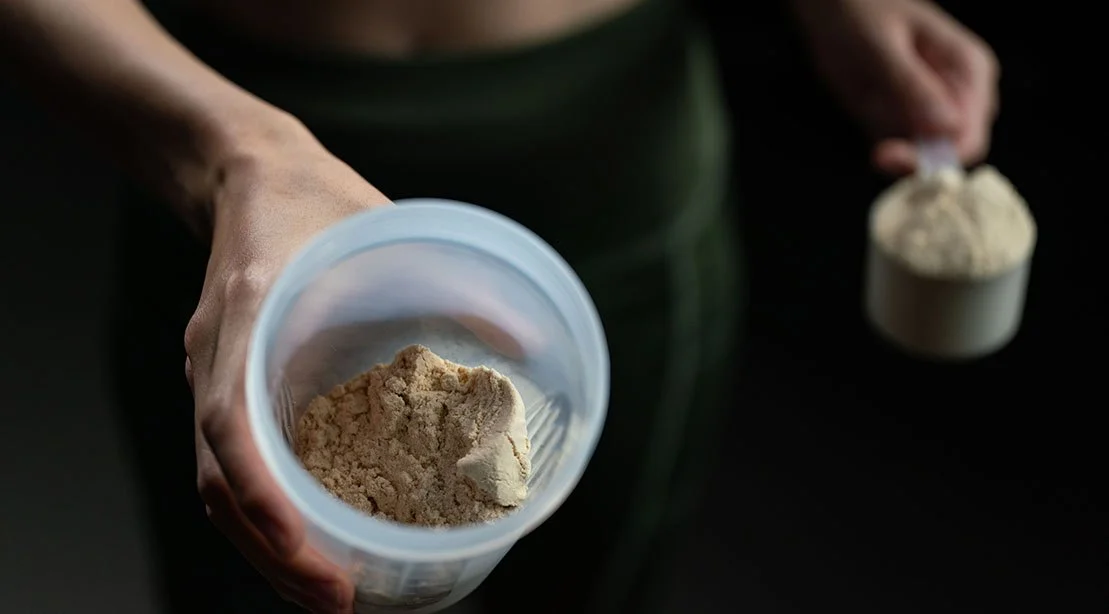
The prevailing misconception surrounding creatine is its association with bulkiness or excessive weight gain. While it's true that creatine affects intracellular water retention, this shouldn't be misconstrued as transitioning into an overbuilt physique. Just adding creatine to your routine won’t lead to unexpected transformations; results depend on the integration of training and lifestyle changes. This misconception often leads to avoidance, which ultimately limits opportunities for performance enhancement.
What's promising is the growing body of research addressing female athletes specifically, correcting a historical oversight where male-dominated studies shaped perceptions. The evidence is solid; creatine monohydrate is well-supported by science as a beneficial supplement for enhancing performance without the hype. But here's the thing: if we're to advance understanding and application, it's essential to shift the dialogue toward real-world applications and adaptations for women, especially given the different physiological responses they may have.
Ultimately, creatine is an affordable, straightforward choice backed by extensive research. It doesn’t promise miraculous results but offers tangible benefits for those committed to their fitness journey. As the research continues to evolve, it’s becoming increasingly clear that creatine can benefit a broader audience than previously acknowledged, bridging gaps in the current narrative.
Implications and Future Outlook
The implications of this renewed focus on creatine extend beyond just female athletes. If broader acceptance is achieved, we may see shifts in training programs that incorporate creatine as a standard recommendation for various demographics, particularly women and older adults—those often sidelined in sports science discussions. As the scientific community continues to explore the effects of creatine on performance and health, the data could lead to a reevaluation of dietary recommendations in sports nutrition.
It’s critical to acknowledge that while creatine is a widely studied supplement, many misconceptions still cloud its use. Education is key. Clear communication about benefits and limitations can help demystify creatine and urge more women to consider it within their fitness regimes. This isn't just another supplement; it may well be an essential tool for many striving to attain their physical goals.

Discussion
Sign in to join the discussion.