A panel debates the significance of size in bodybuilding as the 2026 Mr. Olympia approaches, weighing conditioning against sheer mass.
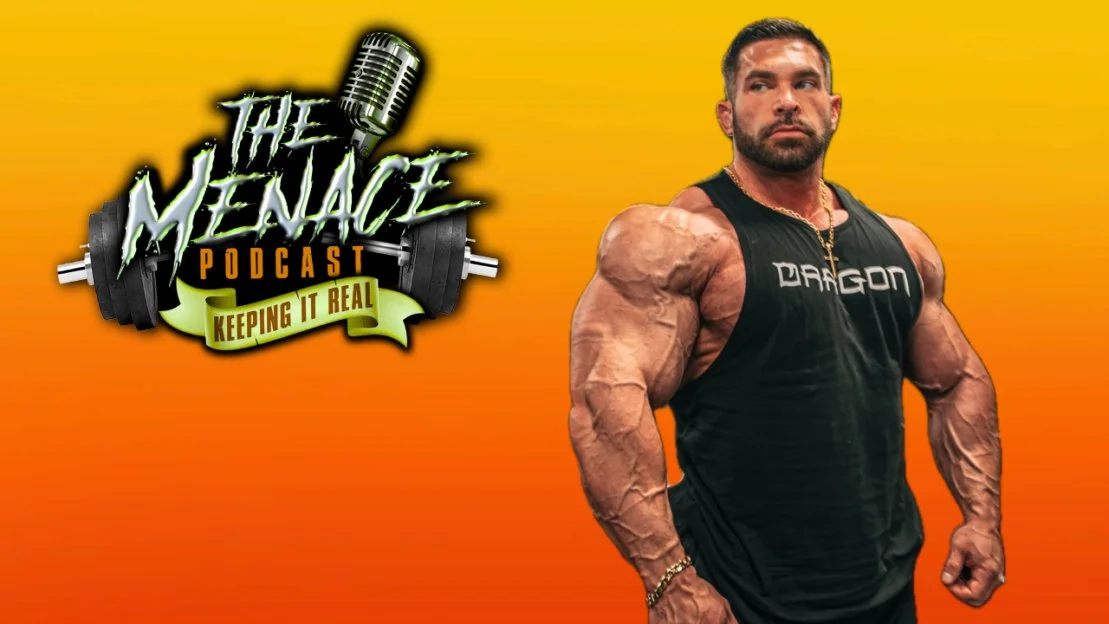
As the countdown begins for the 2026 Mr. Olympia in Las Vegas, discussions around body size dominate the conversation. During Episode 303 of The Menace Podcast, host Dennis James brought together bodybuilding veterans Milos Sarcev and Jose Raymond to tackle the pressing question: does size really matter when it comes to competing on such a prestigious stage?
This year has seen top competitors like Samson Dauda and Nick Walker showcasing impressive mass gains, fueling the debate further. While it's clear that the Open division attracts significant attention, the judges' criteria for success may not hinge solely on size.
The Complicated Equation of Size vs. Aesthetics
The bodybuilding community is constantly wrestling with the question, “Does size matter?” In the podcast, Sarcev pointed out a prior conversation where James reflected on his career, expressing regrets about prioritizing size over aesthetics. The prevailing fan mentality seems to suggest that bigger is better, but as the sport evolves, those assumptions face scrutiny. With athletes like Derek Lunsford and Andrew Jack also aiming for more mass this year, you have to wonder: is this the right approach in today's competitive environment?
James' reservations are particularly revealing. He said, “If I could turn back the time, I wouldn’t chase size.” Here’s the crux of the issue: excessive mass can often interfere with overall form and presentation, which are critical in judging. Sarcev echoed these concerns, emphasizing that if Lunsford keeps bulking, he risks losing his shape entirely. James added that he already questions whether Lunsford has reached his weight limit for optimal performance. This kind of reflection isn't just personal—it's indicative of a broader discussion among athletes about what defines a winning physique.
At 252 pounds and standing 5’6”, Lunsford is undeniably impressive in size, causing Raymond to liken him to an elephant, which captures both the magnitude and the artistry of elite bodybuilding. This metaphor hints at a deeper appreciation for not just size, but how that size is proportioned and displayed on stage. There’s a tension here; bodybuilders are judged not just on muscle mass, but on the overall cohesiveness of their physique. The aesthetic element cannot be overlooked; symmetry, proportionality, and conditioning all play pivotal roles in success at competitions.
The Uncertain Metrics of Success
The impending showdown on September 27 poses critical questions for athletes and fans alike. Will the champion emerge as the heaviest competitor, the one with the best posing skills, or the one boasting the finest conditioning? The weight of these metrics can shift dramatically depending on the criteria judges prioritize that day. And judging in bodybuilding is often subjective, leaving room for varied interpretations of what “best” truly means. For athletes focused primarily on gaining mass, this creates a precarious balancing act.
If you're working in this space, it’s essential to consider how these shifts in athlete focus can influence strategy, preparation, and ultimately, performance. What this means for you is that aspiring bodybuilders might need to reassess their approach when preparing for competition. The size-centric gamesmanship could lead to disappointing results if it compromises the essence of bodybuilding: to present a well-rounded and aesthetically pleasing physique.
Implications for Future Competitions
The conversation surrounding size versus aesthetics is not just seasonal chatter; it could reshape the approach many athletes take in future competitions. There's a kind of tacit acknowledgment among seasoned competitors that the rules of engagement within bodybuilding are evolving. Size may not be the sole determinant of success; a well-presented physique often outshines brute weight alone.
This shift could lead to a renewed focus on training regimens that prioritize aesthetics alongside mass. Similar systems typically emphasize balance and proportion, encouraging a more sustainable approach to bodybuilding. Athletes might pivot toward more diversified training strategies, integrating yoga or flexibility training to enhance overall appearance, rather than simply chasing larger numbers on the scale.
The upcoming Mr. Olympia could serve as a litmus test for these evolving perspectives. Will the judges reward sheer size, or will they favor competitors who deliver a compelling overall presentation? With various camps rallying behind different philosophies, the event promises to deliver more than just entertainment; it could signal the next phase in professional bodybuilding ethos.
For those looking to catch more insights from this engaging discussion, the full episode is available on the Muscle & Fitness YouTube channel.



Discussion
Sign in to join the discussion.