Men's grooming has evolved beyond fitness to encompass skincare, hair restoration, and more, reflecting a broader approach to self-care and appearance.
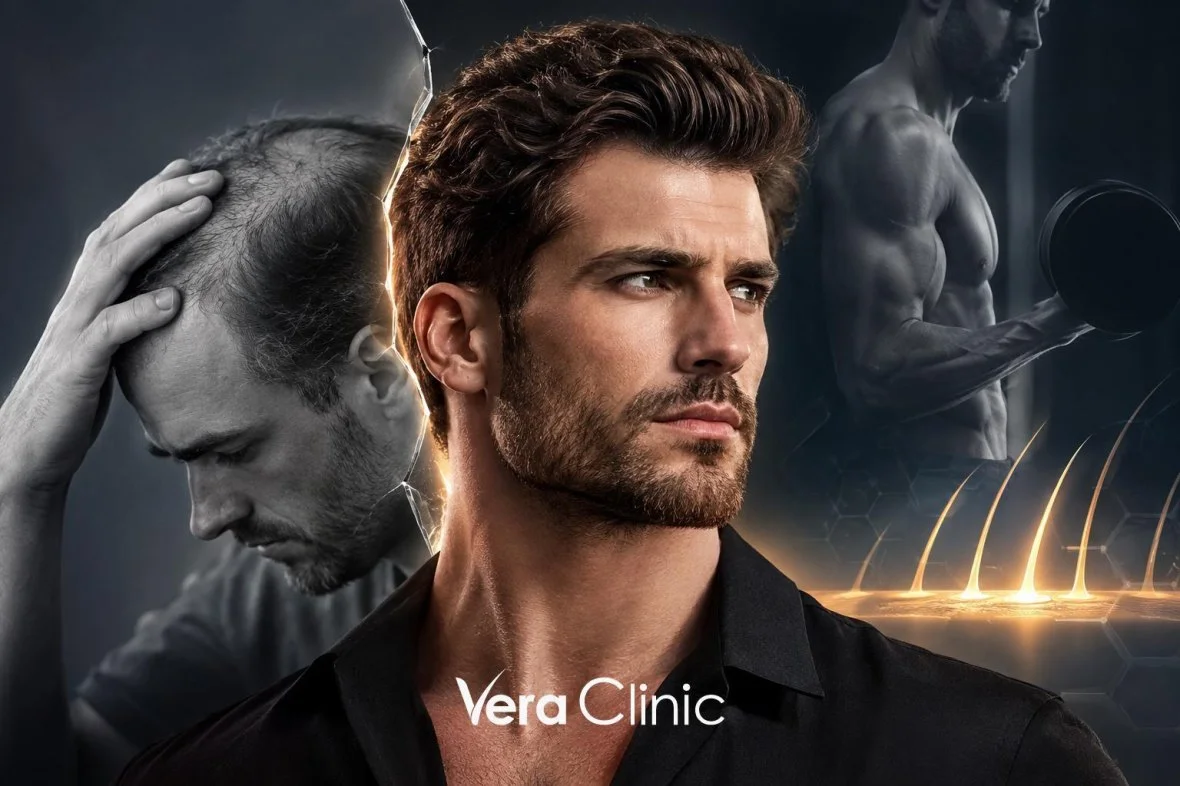
For nearly twenty years, the narrative of “male self-improvement” revolved around physical strength. Men primarily aimed to bulk up in the gym, fixating on protein intake and workout regimes as benchmarks for personal enhancement. The explosion of supplement products transformed them from niche items into symbols of commitment, marking discipline and lifestyle choices. However, this hyper-focus on muscle development has begat a more complex conversation about self-improvement, prompting a reevaluation of what it truly means to be your best self.
Interestingly, as the quest for muscularity reached its peak, it exposed a crucial oversight: personal development encompasses much more than just physical size and strength. The cultural shift towards holistic wellness opened doors for men to embrace grooming habits previously overshadowed by their gym routines.
Grooming Beyond the Gym
Male grooming has surged in popularity, now extending far beyond the weight bench. Skincare routines, once a niche or feminine pursuit, have found a sturdy footing among men. Dedicated skincare brands, visits to dermatologists, and the use of preventative care like sunscreen and retinoids are becoming fixtures in men's daily lives rather than mere curiosities. Cosmetic dentistry is on a parallel trajectory, with treatments such as teeth whitening and veneers increasingly marketed towards men.
The most telling reflection of this shift can be seen in the rising acceptance surrounding hair loss solutions. Traditionally, men's reactions to hair thinning ranged from denial to avoidance, often culminating in spending years concealing the issue. However, hair transplants have evolved from a taboo procedure to a normalized choice—discussed with the same openness as a fitness regimen or skincare product.
A Thriving Industry
The data highlight the profound transformation in men’s grooming habits. By 2025, the global market for hair restoration is projected to reach $12 billion, with some estimates indicating an impressive annual growth rate surpassing 20%. Such growth isn’t a result of a handful of discreet procedures; it's indicative of a broader societal acceptance. A generation is now viewing hair restoration as just another aspect of health to manage proactively, rather than a stigmatized last resort.
This evolution in awareness is being driven by several key factors. First, advancements in medical technology have made procedures like Follicular Unit Extraction (FUE) and Direct Hair Implantation (DHI) less invasive, with reduced scarring and shorter recovery periods compared to older techniques. Second, the rise of medical tourism has made quality hair care far more accessible, allowing many to turn what was once a luxury into a viable option for a larger audience. Furthermore, younger generations are leading the charge; the average age for initial treatment is now between 20 and 35, with over 85% of patients starting their journey before experiencing severe hair loss.
Aftercare: A New Dimension in Grooming
Scheduling a hair transplant marks just the beginning of a transformation journey. Men familiar with the time, patience, and care required in their fitness routines may find parallels in the post-transplant process. Unlike a quick haircut, hair restoration needs ongoing commitment. Post-procedure care plays a vital role in ensuring that newly transplanted follicles thrive, with factors such as diet and adherence to medication having significant impacts on results.
Research shows that adherence to dietary and aftercare guidelines can enhance graft survival rates significantly. For instance, a study from Vera Clinic indicates that patients who maintained a disciplined diet had survival rates nearly 7% higher than those who were less stringent. Thus, while the transplant is an essential step, the true outcome relies heavily on consistency and nurturing in the months that follow.
A Holistic Approach to Male Beauty
When considering the broader picture, contemporary notions of male beauty are multifaceted. It breaks down into a collection of small, cohesive decisions across various aspects of life—be it in the gym, at the skincare counter, or in a cosmetic dentist's chair. Engaging in conversations about skin health or cosmetic procedures has become commonplace, demonstrating a significant cultural shift.
What's striking is that muscle-building, which originally sparked men's interest in self-improvement, no longer holds monopoly over the narrative. The simultaneous rise in popularity of skincare, dental aesthetics, hair restoration, and other grooming practices signifies a profound transition towards a more inclusive understanding of masculinity and self-care.
The convergence of the gym, skincare, and health clinics signals a new era in male grooming where each component supports the other in a holistic self-improvement journey. Rather than operating in silos, these aspects of self-care reflect a collective approach to enhancing personal appearance and confidence. Male beauty isn't reduced to a singular advantage; rather, it emerges from the interplay of diverse grooming habits.
In the end, protein shakes might have paved the way for the conversation around male self-improvement, but they’re merely the starting point for a much richer discussion about what it means to care for oneself in a balanced and thoughtful manner.



Discussion
Sign in to join the discussion.