Recent insights reveal GLP-1 medications like Ozempic can lead to lean mass loss, but resistance training and protein intake play key roles in muscle preservation.
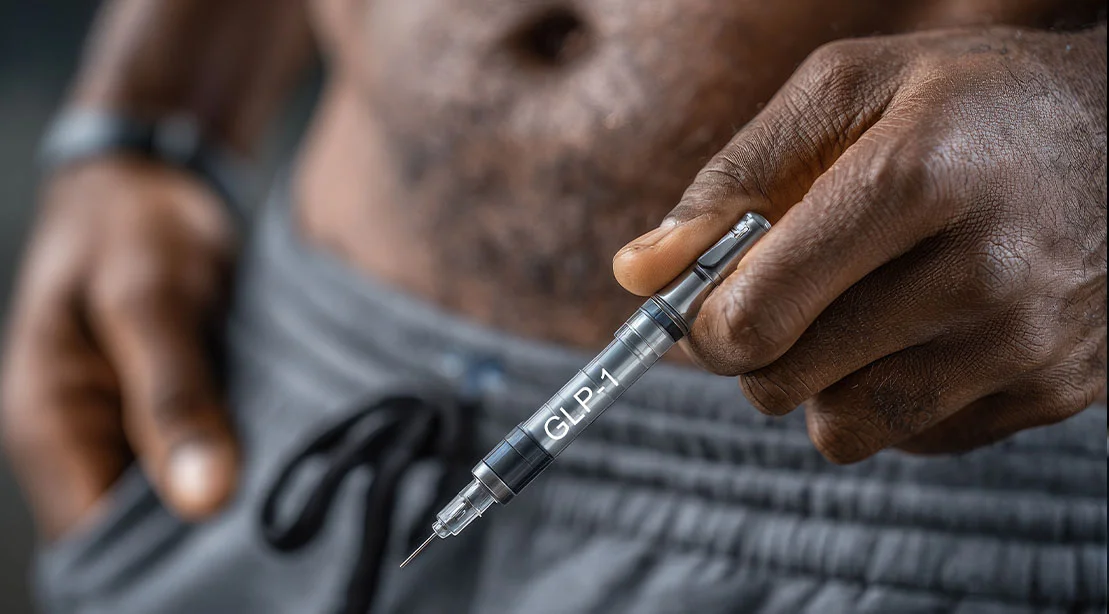
Walking through an airport recently, the impact of GLP-1 medications like Ozempic, Wegovy, and Mounjaro was hard to miss—individuals remarkably transformed, showcasing noticeable weight loss. This surge in popularity has shifted societal perceptions around weight management and health. Yet, alongside this trend comes a narrative suggesting these drugs might cause significant muscle loss. As the public dialogue unfolds, there's a tension between the allure of quick weight loss solutions and the complexities of maintaining overall health, particularly muscle integrity.
Understanding Muscle Loss with GLP-1 Medications
A recent 2026 meta-analysis encompassing 20 randomized trials with over 15,700 participants examined weight loss effects of GLP-1 medications like semaglutide, tirzepatide, and liraglutide compared to traditional lifestyle approaches. The findings indicated that lean mass constituted about 35% of weight lost with semaglutide, 25% with tirzepatide, and 27% with liraglutide. These numbers raise concerns about the impact of such medications on muscle preservation.
However, context is essential. Studies show that when weight loss was achieved solely through lifestyle interventions, approximately 26% of that weight loss was lean mass. This suggests that loss of some lean tissue is common during weight reduction efforts, regardless of the method employed. It’s a reminder that weight loss often involves more than just fat loss—there's a body composition aspect that needs addressing.
Strategies for Lifters Using GLP-1 Medications
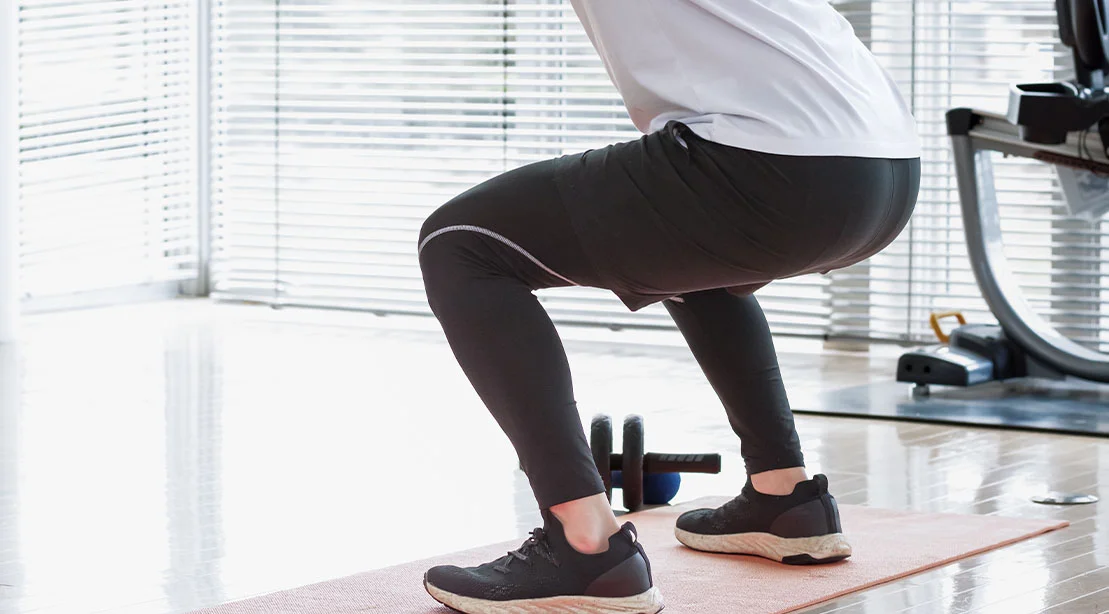
Crucially, integrating resistance training into weight management strategies can be effective. In cases where participants engaged in strength training, the percentage of lean mass lost decreased to 17.5% of total weight lost—the best preservation observed in the analysis. This finding emphasizes the value of weight lifting in maintaining muscle mass during weight reduction efforts. It’s not just about losing weight; it’s about how you lose it.
Interestingly, another 2026 study on GLP-1 medications combined with structured exercise found that this combination yields the best outcomes for lowering body weight and fat mass, underscoring that exercise and medication are not mutually exclusive. This synergy between pharmacological and non-pharmacological strategies is critical to maximizing the benefits from both approaches.
While GLP-1 drugs help in appetite suppression, leading to lower calorie intake, this decrease can inadvertently reduce protein consumption and training intensity. As a result, individuals may lose substantial weight, including skeletal muscle. Here’s the issue: if you’re on these medications, you need to be especially vigilant about maintaining your dietary protein and exercise regimen. This highlights the need for a balanced approach to nutrition and exercise, encouraging muscle retention while on medication.
Clarifying Misconceptions About Lean Mass
It's also vital to distinguish between 'lean mass' and actual muscle tissue. Measurements of lean mass through DXA scans—often conveying body fat percentage—include water and other non-fat tissues. Although studies indicate some lean mass loss with GLP-1 treatments, typically, fat loss outpaces lean mass reduction. Skepticism is warranted here. We should be asking more nuanced questions about what lean mass loss means for an individual’s overall health.
Moreover, correlations between this lean mass loss and significant declines in strength or physical function haven't been firmly established. Thus, perspectives from both proponents and detractors of GLP-1 medications need balancing. Those applauding rapid weight loss shouldn’t assume it equates to ideal body composition, while critics should avoid oversimplifying the narrative by claiming these medications directly compromise muscle integrity.
Ultimately, substantial weight loss frequently entails muscle preservation as a standard concern. Emphasizing strength training, adequate protein intake, and a focus on body composition rather than just weight on the scale can lead to better health outcomes. Remember, maintaining muscle may signify more than simply achieving a lower number, especially when different factors influence physical performance and well-being.
Future Outlook: What Lies Ahead in GLP-1 Conversations
This dialogue will persist as new studies emerge. In a recent announcement, Novo Nordisk revealed a successful late-stage trial of semaglutide in children aged 6 to 12, demonstrating significant improvements in BMI after 68 weeks with concurrent dietary and physical activity modifications. While current FDA guidelines permit pediatric obesity treatments with Wegovy starting from age 12, the potential for earlier intervention raises important discussions about how we approach weight management in future generations.
As the conversation around pharmacological weight management evolves, the key question shifts from merely focusing on weight lost to what individuals are retaining, both in terms of health and muscle mass. If you're working in this space, consider how this paradigm shift could affect both treatment protocols and patient expectations. After all, the broader implications touch not just on individual health but carry societal ramifications in how we address obesity as a public health concern. And this is the part most people overlook: it's not just about the pounds shed but the health outcomes we secure in the long term.

Discussion
Sign in to join the discussion.