New insights reveal how meat consumption impacts longevity, with significant risks associated with processed versus unprocessed meats.
The Impact of Meat on Longevity
Your daily food choices can significantly affect your health and lifespan. For those concerned about the implications of their dietary habits, opting for plant-based alternatives may be a wise decision. Research from the Global Burden of Disease Study indicates that diets high in processed meats—think bacon, sausages, and deli meats—are linked to over 100,000 deaths annually, primarily due to heart disease, cancer, and diabetes.
Processed Meats and Public Health
The Union of Concerned Scientists has estimated that even modest reductions in processed meat consumption could lead to thousands of cancer deaths being avoided each year in the U.S. This statistic illustrates the potential of collective dietary changes, but on an individual level, understanding personal health risks is crucial.
Understanding Mortality Risk with Microlives
Recent discussions surrounding nutrition have highlighted the importance of meat consumption through the lens of mortality risk. The NutriRECS study found that decreasing red and processed meat intake correlates with a 13% reduction in the risk of premature death. To contextualize this information, we can use the concept of "microlives"—a unit representing a loss of 30 minutes of life expectancy due to chronic lifestyle risks.
For instance, certain behaviors like smoking two cigarettes or consuming two pints of strong beer can cost a 30-year-old man one microlife. Thus, being overweight by just 11 pounds also reduces life expectancy significantly. This allows for a compelling comparison between various health risks.
How Meat Consumption Affects Lifespan
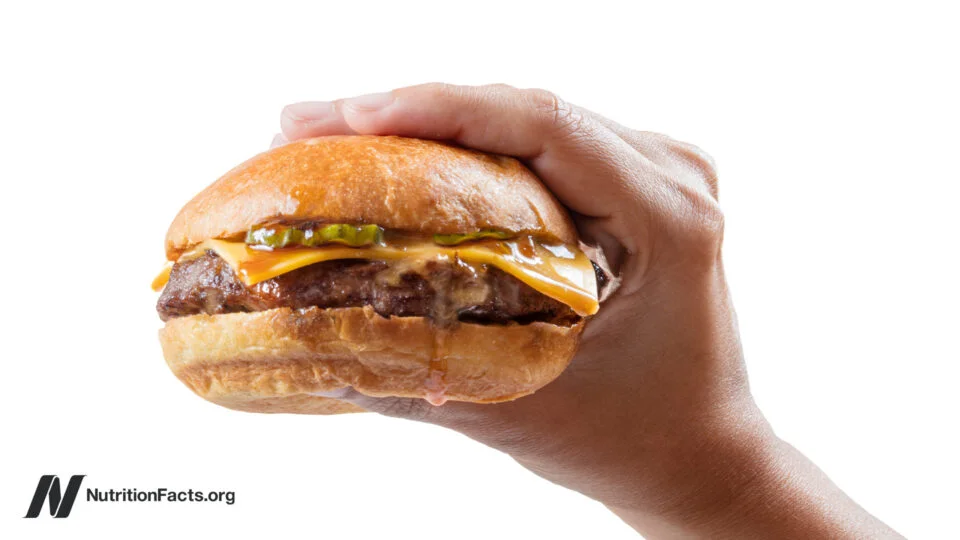
Focusing on food choices, a single hamburger is estimated to take approximately one microlife off your life, which amounts to 30 minutes. In layman's terms, this is similar to the life-shortening effects associated with two cigarettes. Such a notion may cause individuals to reconsider their lunch choices, perhaps leaning toward a bean burrito instead.
Processed Meat vs. Red Meat: A Closer Look
The analysis of meat consumption reveals that processed meats are even more detrimental. For example, individuals who consume about 50 grams of processed meat daily could lose around two years of life. Picture two identical people: one indulges in this processed meat daily while the other refrains; the first will likely live a shorter life span, translating years lost with loved ones.
On a more granular level, eating a couple of slices of deli meat each day may translate to losing approximately one hour of life each day. Therefore, those who believe they’re strapped for time might be unintentionally shortening their lifespan with every lunchtime choice.
Life-Extending Alternatives
On the flip side, there are choices that add years to life. Consuming at least five servings of fruits and vegetables daily could bolster a man's lifespan by about four years and three years for women. Strikingly, a mere 20 minutes of daily exercise yields an hour of additional life, presenting a compelling rationale for integrating physical activity into one’s routine.
Reevaluating Your Dietary Choices
The weight of evidence suggests that each burger consumed aligns with a 30-minute decrement in lifespan. Hence, when examining your meals, opting for alternatives such as beans or legumes may not only be beneficial for personal health but also positively impact overall longevity.
Conclusion: Moving Toward Healthier Diets
Recognizing these statistics is vital, particularly as experts, including prominent nutritionists at Harvard, emphasize the need for dietary patterns low in red and processed meats. They advocate for a shift towards minimally processed plant foods, urging that such changes can enhance both individual and planetary health.
Influential studies, like Dr. Dean Ornish's Lifestyle Heart Trial, showcase the potential for a plant-based diet to reverse severe heart disease, a leading cause of mortality. As we consider our dietary decisions, maintaining awareness of their profound implications on longevity becomes essential.
For those intrigued by these health risks, exploring additional resources, including videos on the subject of micromorts—risk analysis in everyday life—can provide further insight into how our choices shape our lives.


Discussion
Sign in to join the discussion.