The hip adduction machine may lack respect, but it offers unique benefits for building leg strength and preventing injuries in a targeted way.
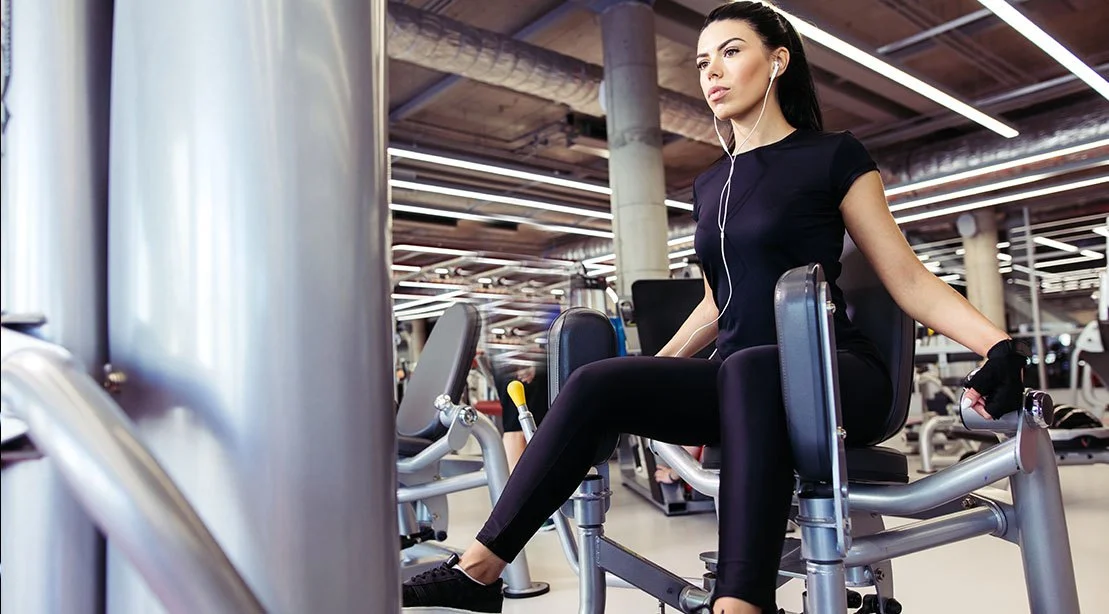
The hip adduction machine often faces criticism, dismissed as merely a “fluff” exercise for the inner thighs. Many fitness enthusiasts and trainers regard it as less essential in their routines, especially when compared to more dynamic lifts like deadlifts and squats. However, the adductor muscles, particularly the adductor magnus, play a significant role beyond just adduction, which deserves a reconsideration of this machine's utility.
Why the Hip Adduction Machine is Underrated
In a fitness environment that glorifies heavy lifting and complex movements, machines that isolate specific muscle groups can readily be overlooked. The adduction machine, where users sit and squeeze their legs together, often falls victim to the "non-functional" exercise label. Critics argue that its fixed position and seated nature don’t reflect typical movement patterns found in sports or everyday activities. Plus, with compound lifts like squats and deadlifts already targeting the adductors, many assume additional isolation work is unnecessary.
Yet, the adductors are far more than just “inner-thigh” muscles. According to Dan Swinscoe, a physical therapist, these muscles contribute significantly to functions like hip extension. “Training them is beneficial for overall lower-body strength," he emphasizes. When you grasp how pivotal these muscles are, the rationale for incorporating them into your workout becomes clearer.
Assessing the Argument Against the Machine
Let's explore common objections to the hip adduction machine:
- Redundant with Compound Lifts: Movements such as squats and lunges engage the adductors effectively, raising the concern of redundancy.
- Lack of Functionality: Critics view the adduction machine as not challenging balance or stability like dynamic movements do, as it was designed primarily for bodybuilding purposes.
- Limited Muscle Activation: The adductors perform more than just adduction; they stabilize the hip and assist in movements like flexion and rotation. The machine isolates them in a way that doesn’t fully exploit their functional capabilities.
The Case for Incorporating Direct Adductor Work
Scientific studies bolster the importance of direct adductor strengthening. For instance, research published in 2025 demonstrated that the torque-producing capacity of the adductor magnus for hip extension greatly eclipsed that for hip adduction. This indicates that training the adductors can enhance overall strength more than their traditional label suggests.
Moreover, broader strength training research has shown that protocols involving adductor strengthening can effectively reduce the incidence of injuries, such as groin issues, particularly in athletic populations. While this doesn’t directly defend the adduction machine’s efficacy in preventing injuries, it illustrates an essential takeaway: developing adductor strength is vital.
Benefits of the Hip Adduction Machine
Despite its critics, the adduction machine provides several noteworthy benefits:
- Targeted Muscle Activation: This machine focuses directly on the adductor muscles. It's user-friendly for gym-goers looking to engage this specific muscle group without intricate setup.
- Increased Training Volume: Without significantly taxing recovery, the machine allows for additional training volume. Lifters seeking to add more work can benefit from its ease of use.
- Supports Groin Strengthening: While direct evidence of preventing injuries may be lacking, a stronger adductor group can certainly contribute to a preventative strategy alongside other exercises.
- Simplicity in Progression: The machine's setup allows for straightforward progression, making it easier for lifters to track their improvement over time.
Who Should Use the Hip Adduction Machine?
This machine fits well in various training plans but suits specific audiences:
- Bodybuilders and those focused on physique who want direct engagement of their adductors.
- Athletes considering adductor strength to complement sports-specific training.
- Lifters aiming for increased lower-body volume without fatiguing from additional complex lifts.
Who Might Want to Avoid It
- Anyone suffering from acute groin pain or currently dealing with an adductor injury.
- Individuals who experience discomfort or sharp pain during adduction movements.
- Athletes who might rely too heavily on this machine rather than including comprehensive leg training.
Balancing Risk and Reward
The adduction machine operates within a framework of low to moderate risk, offering a safe environment for direct loading of the adductors. However, caution is necessary. Excessive loading or attempting a range of motion beyond comfortable limits poses risks. The reward lies in strengthening the adductors effectively without significant systemic fatigue.
The machine excels at isolating the adductor muscles, which remains its primary appeal. Still, it cannot replace functional movements needed in many athletic contexts. Thus, while it provides tangible strength gains, it should complement a well-rounded lower-body program rather than act as the sole focus.
Programming the Hip Adduction Machine
To maximize benefits, integrate the adduction machine as an accessory post major compound movements like squats or deadlifts. Here’s a straightforward approach:
- Sets & Reps: Aim for 2 to 4 sets of 12 to 25 reps. Higher rep ranges can compensate for fewer sets.
- Frequency: Incorporate it 1-2 times weekly.
- Rest: Allow about 90 seconds of recovery between sets.
Progression should follow a logical sequence: increase reps first, then the load. When reaching the desired reps with proper form, increase the weight and cycle back to building reps.
Final Thoughts
The hip adduction machine might not be revered in the fitness world, but its practicality as an accessory exercise should not be underestimated. It directly targets a significant muscle group within the lower body, making it a valuable tool for hypertrophic training when used judiciously. For those focused on functional strength, it serves best as a complement to more dynamic exercises. Ultimately, this machine has its place in a comprehensive training regimen aimed at building stronger legs and enhancing overall performance.



Discussion
Sign in to join the discussion.