A recent study reveals that inhaling the scent of dark chocolate enhances workout volume without increasing perceived exertion.
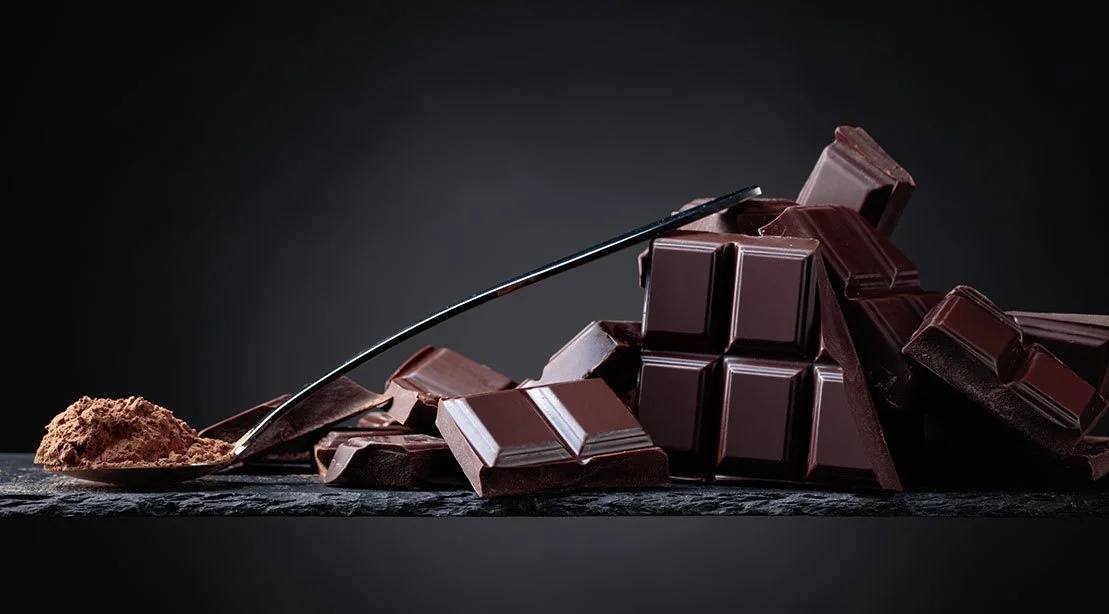
A novel study highlights that merely inhaling the aroma of dark chocolate can lead to a significant increase in workout performance, specifically in resistance training. This intriguing finding suggests that our connection with food and its aromas may play a role in exercise motivation, improving output without making the workout feel more strenuous. Recent trends have shown a growing interest in how sensory experiences can influence physical activities, and this study adds a new layer to that conversation.
Dr. Mohamed Nashrudin bin Naharudin, a leading researcher on the study published in Frontiers, found that moderately trained men exposed to chocolate scents during resistance exercises significantly increased their training volume without a corresponding rise in perceived exertion. "Seeing a substantial increase in repetitions without the athletes feeling like they were exerting themselves any harder is a fascinating psychobiological outcome," he explained. This perspective challenges traditional notions of workout intensity, suggesting that psychological factors might be just as important as physical conditioning.
Research Methodology
The researchers conducted a controlled study involving 23 men in their twenties, divided into three distinct groups. Each group experienced a specific scent exposure 15 minutes prior to exercising:
- Group 1: Inhaled the scent of liquified dark chocolate (90% cocoa)
- Group 2: Inhaled the scent of liquified milk chocolate (60% cocoa)
- Group 3: Inhaled only water
Participants refrained from eating for more than ten hours before undergoing leg extension exercises. The choice of scents was crucial. Dark chocolate is often associated with richness and satisfaction, while milk chocolate evokes a sweeter, more indulgent experience. By choosing these specific variants, the researchers aimed to explore not just the physical impacts of the scents but also how the psychological associations tied to these aromas might play a role in performance.
Key Findings
The results were striking. While all groups experienced hunger due to fasting, those who smelled dark chocolate reported reduced hunger levels and a greater sense of satiety after their workout. Although milk chocolate was the preferred scent among participants, it did not suppress appetite as effectively as dark chocolate. These outcomes are more than mere curiosities; they open up potential avenues for enhancing performance in various physical activities through non-invasive means.
In terms of workout output, both chocolate odors improved repetitions compared to the control, but dark chocolate proved to be more effective. “Sniffing a 90% dark chocolate odor added about 18 more repetitions to participants’ leg extensions, while a 60% milk chocolate odor added about nine repetitions compared to the water control,” stated Dr. Nashrudin bin Naharudin. This raises questions about why dark chocolate has such a pronounced effect on exercise performance and feelings of fullness. The findings illustrate how scent can operate at a subconscious level, steering both the body's physiological responses and emotional states.
Experts suggest that early experiences with certain smells may influence our physiological responses. Dr. Nashrudin commented, “The dark chocolate scent serves as a learned cue for a rich, bitter, and highly satiating food, which essentially tricks the system into an anticipatory state of fullness.” This isn't just about chocolate but rather the interplay between sensory perception and bodily functions. The aroma of sweeter milk chocolate, in contrast, functions as a hedonic stimulus that enhances the training experience by creating a pleasant sensory environment without affecting hunger signals. This distinction highlights how different types of stimuli can lead to varied emotional and physiological outcomes.
While this study featured a small participant group, researchers are optimistic about a future, more extensive study that will monitor hormonal levels and brain activity to provide further insights into how scents can elevate performance in workouts. It raises an interesting thought in the fitness community: If something as simple as the smell of food can impact performance, what other sensory experiences could be harnessed to enhance workouts? This potential opens up discussions about the design of training environments that optimize sensory inputs to boost athletic performance.
Implications and Future Outlook
So, what's the bigger picture? This research hints at exciting possibilities for integrating sensory strategies into training regimens. If you're working in this space, consider how scents could influence not just performance but the overall workout experience. For trainers and athletes alike, this could mean a shift in how workouts are approached—not just physically but psychologically.
Incorporating aromas could make exercise less daunting and more enjoyable, potentially extending participation rates among those who might otherwise shy away from strenuous activities. It’s a small study, and thus it requires more validation, but the implications here extend beyond this immediate context. The psychological aspect of exercise is often overlooked, yet understanding how to manipulate emotional and sensory responses could open new doors in sports science and training methodologies. And this is the part most people overlook: sensory experiences aren't just add-ons; they're integral to how people engage with their fitness journeys.
As more research emerges, we might see fitness facilities experimenting with scent diffusers designed to enhance motivation and performance. What this means for you, the reader, is that the next time you approach your workout, you might want to consider lighting that ‘chocolate’ candle. Who knows? A simple scent could lead to more reps, better gains, and an overall improved attitude towards your fitness regime. The potential is there; it's simply a matter of testing the waters—or the scents—in this case.


Discussion
Sign in to join the discussion.