Hospital financial assistance programs are evolving to reduce medical debt by simplifying access and eligibility through automatic screening.
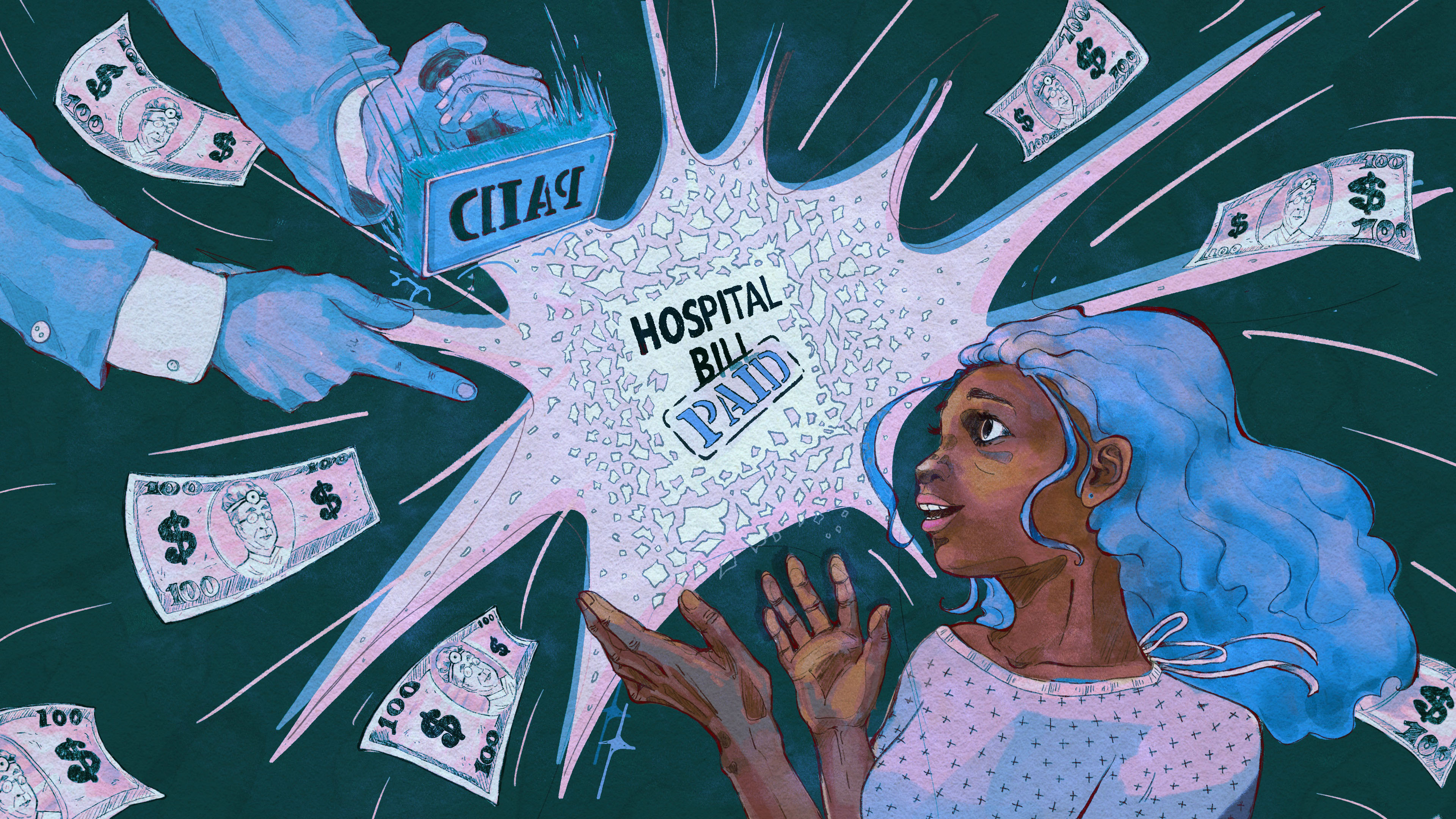
Medical debt affects a significant portion of the population, with millions finding themselves struggling to pay hospital bills. A prominent avenue for alleviating this burden is hospital financial assistance, also known as charity care, which many institutions offer to patients facing substantial medical expenses or those with limited incomes.
Despite the availability of these financial aid programs, patients often encounter hurdles in accessing them. Research indicates that a lack of awareness about financial assistance options is widespread among patients, while complex application processes further complicate access. Many hospitals require detailed documentation—such as bank statements, tax returns, and proof of income—leaving many potential applicants overwhelmed.
Neale Mahoney, an economist from Stanford University who studies this issue, emphasized that navigating the application process can be daunting. Indeed, hospitals may inadvertently bill patients for sums they had no obligation to pay; an analysis cited that hospitals and health systems invoiced over $2 billion in unbecoming debt in just one year.
Transitioning to Automatic Screening
Given the rising costs of healthcare and the increasing uninsured population, a new strategy is emerging in several states: automatic screening for financial assistance eligibility, known as “presumptive eligibility.” This approach allows hospitals to identify eligible patients proactively, which can prevent them from incurring debt before they even receive a bill.
How this process plays out varies significantly from hospital to hospital. Some facilities adopt the practice broadly, while others limit its application. It's essential for patients to understand the specifics of how different hospitals implement auto-enrollment, as some may choose to screen only certain types of patients, potentially leaving others still vulnerable to hefty bills.
Understanding Hospital Financial Assistance
Hospital financial assistance programs operate under distinct criteria that vary by state and facility. Typically, eligibility hinges on household income relative to the federal poverty line. For those nearer to poverty, options for reduced or free care are more readily available. Interestingly, even patients with insurance may qualify for discounts if their medical bills represent a significant portion of their income.
Currently, at least 11 states have enacted laws mandating hospitals to waive bills for low-income patients, yet the thresholds and regulations fluctuate widely. For instance, in Georgia, all individuals earning slightly above the federal poverty level qualify for free care, while in other states like Oregon and Maryland, patients can earn up to double that amount and still receive assistance.
Current Practices in Auto-Enrollment
According to recent data, nearly all nonprofit hospitals claim to proactively screen patients for financial assistance eligibility. Since the Affordable Care Act took effect in 2016, they have been required to make reasonable efforts to identify potential beneficiaries before resorting to aggressive debt collection methods. Early on, around 70% of tax-exempt hospitals engaged in these practices, and as of 2022, that figure had jumped to nearly 90%.
However, this obligation does not extend to for-profit and public hospitals, which are primarily free from such regulations and do not have to report their actions. In several states, there are specific mandates for hospitals to adopt presumptive eligibility, a practice now entrenched in California, Delaware, Illinois, Maryland, North Carolina, and Oregon.
Identifying Automatic Enrollment Candidates
Eligibility for auto-enrollment typically involves quite a range of profiles. Commonly screened candidates include individuals experiencing homelessness or those receiving assistance from government programs aimed at alleviating poverty-related issues. However, policies can vary dramatically, resulting in some patients remaining unaware that they qualify for aid.
For instance, certain hospitals may offer assessments based on public records or use tools from credit reporting agencies to identify patients who qualify for financial assistance. In California and Oregon, laws exist to prevent hospitals from relying on a patient's ability to pay, ensuring that those earning less, even if they may be consistent bill-payers, are not overlooked.
Screening Processes Timing and Options
The timing and methods of screening for financial assistance differ across states and hospitals. Some states mandate screening before patients receive any bills, a requirement Californian facilities will adopt in 2027. Yet, others prefer to approach collections first before screening for assistance eligibility, as long as they comply with regulations regarding debt collection thereafter.
For example, Christus Health, a Texas-based health system, opts to screen patients only after exploring all other financial assistance options. Anna Stelter of the Texas Hospital Association acknowledged a desire among hospitals to confirm financial responsibility lies with the patient before issuing aid, making charity care the last resort in support strategies.
Financial Assistance Funding Sources
Funding for these charity care initiatives comes from various sources, primarily taxpayer dollars, which help offset the costs incurred by hospitals. Approximately half of U.S. hospitals operate as nonprofits and enjoy tax exemptions, amounting to significant potential savings on tax obligations.
The financial assistance model's sustainability depends on multiple factors, including the level of government support available, the volume of patients requiring help, and the efficacy of outreach efforts to raise awareness about these programs. Research indicates substantial disparities in how much hospitals allocate toward financial assistance—from less than 1% to over 7% of their overall expenses.
As hospitals introduce auto-enrollment strategies, the dynamics of medical debt could change, ideally providing significant relief to patients burdened by unexpected medical expenses. The evolving landscape presents a definite opportunity for healthcare providers to not only mitigate the financial strain on patients but also reshape their approach toward community health responsibilities.
In the wake of this change, both patients and healthcare champions must remain vigilant about understanding financial assistance policies and advocating for transparency in the systems that seek to aid those in need.



Discussion
Sign in to join the discussion.