The panel discusses Nick Walker's win at the 2026 Mr. Olympia and whether Derek Lunsford deserved to finish third after a close competition.
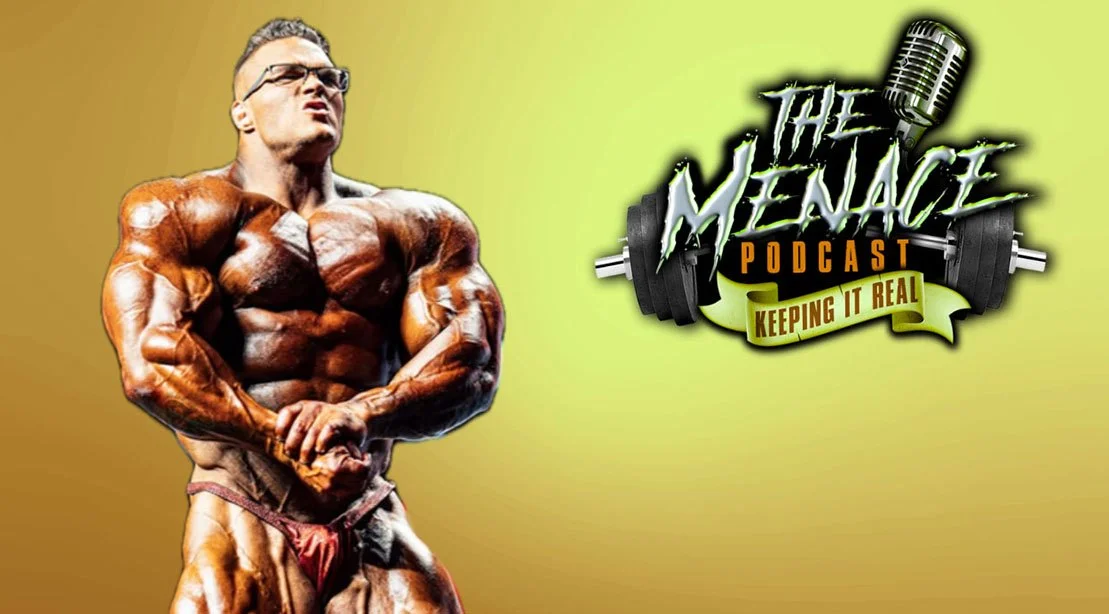
The recent Mr. Olympia competition generated heated discussions, particularly with Nick Walker claiming victory, while last year's champion, Derek Lunsford, ended up in third place. On Episode 304 of The Menace Podcast, host Dennis James was joined by Milos Sarcev and Chris Cormier to dissect the notable moments of the event held on September 27. While Walker triumphed, the question arose—did Lunsford merit the drop to third?
The Stakes in Bodybuilding: A Competitive Overview
Winning the Mr. Olympia title is not just about lifting weights; it’s a multi-faceted competition that weighs aesthetics, stage presence, and overall conditioning. The hype surrounding this year’s contest was amplified due to the intense rivalry among athletes, creating a stage where not just titles, but reputations are on the line. Bodybuilding fans are accustomed to these high-stakes showdowns, and the pressure mounts each year as newer competitors enter the fray.
For Walker, securing the title means he joins the elite ranks of bodybuilders who have captured this prestigious award. This isn’t just a casual win; it’s a career-defining moment that can shape his future endorsements, appearances, and legacy within the sport. For Lunsford, finishing third is a stark contrast to the glory of being the reigning champion, and this shift raises questions about whether he can reclaim his title in future competitions.
Assessing the Competition’s Outcomes: Walker, Lunsford, and Dauda
Walker took home not only the title but also the People’s Champion award and a hefty $600,000 prize, highlighting his impressive performance. The panel suggested that inconsistencies in Lunsford's presentation may have contributed to his ranking. "His abs were washed out on Friday," noted James, emphasizing the need for athletes to have their best look during pre-judging. This aspect sheds light on a common issue in bodybuilding; a lack of consistency during different phases of the competition can severely impact a competitor's standing. Lunsford’s physique appeared crisper during the finals, improving his overall impression even if it was too late to change judges' minds about earlier performances.
This year’s competition has laid bare the relentless nature of bodybuilding where even a marginal difference in conditioning or presentation can tilt the scales. Lunsford’s enhancements in specific areas, particularly his abdominal presentation, reflect dedicated training and effort. However, as Sarcev pointed out, the unpredictable nature of the contest often complicates rankings, making it difficult for both the audience and the judges to arrive at a consensus.
What’s intriguing about this year’s outcomes is how the judges responded to the dynamic shifts in competitor confidence. Lunsford faced stiff competition from athletes like Samson Dauda, who unexpectedly surged in performance. Dauda’s leap into the second place spot exemplifies how critical the psychological elements of stage presence and confidence can be in a sport largely driven by physical aesthetics.
The Judges’ Decision: Was it Fair to Rank Lunsford Third?
Reflecting on Lunsford’s performance, James remarked, "I think that was the best Samson, ever," explaining why Dauda took precedence over Lunsford. This observation captures the essence of competitive bodybuilding: it often boils down to subjective interpretation. While both competitors delivered commendable routines, Lunsford’s efforts fell short of matching Walker’s excellence on that day.
When assessing the outcomes of such competitions, it’s essential to consider that judging in bodybuilding isn’t an exact science—competitors can leave the stage with markedly different impressions even if their physiques are close in merit. The panel expressed that the gap between the top contenders has narrowed significantly. Athletes like Walker, Dauda, Lunsford, and Andrew Jacked all show remarkable physiques. This growing caliber means that rankings will often hinge on the specific day of competition.
Does that put additional pressure on competitors preparing for events? Absolutely. As James pointed out, "It’s going to be the hardest thing for Nick to win again next year." That statement suggests not only Walker’s brilliance but also highlights the trajectory of competitors like Lunsford and Dauda, who will likely come back even stronger. The battle for dominance in this sport, after all, is an ongoing saga—one where any misstep can mean the difference between top spots.
Looking Ahead: Implications for Future Competitions
The outcome of this year's Mr. Olympia shows that the competition isn't static. Viewer engagement and fan interest are tied closely to these shifts, impacting sponsorship, marketing, and training methodologies. If you're working in this space, you'll need to be aware that today’s results can redefine how athletes train and present themselves in the future.
This year's event could signal a broader trend where established athletes are challenged by rising stars, pushing each other to refine their physiques and routines. The increasing unpredictability means the next Mr. Olympia won’t just be a showcase of who has the biggest muscles but rather a demonstration of strategic presentation and stage management. The question now is: who will rise to take the mantle, and what strategies will they implement?
For fans and analysts alike, the implications of this year's Mr. Olympia extend beyond the stage. What this means is a shifting paradigm where every detail counts towards claiming the top title in bodybuilding.
To catch the full discussion, including insights on other bodybuilding news and results, check out the latest episode of The Menace Podcast on the Muscle & Fitness YouTube channel.
Discussion
Sign in to join the discussion.