A 104-week trial found similar weight loss with diet drinks and water, while sugar intake fell slightly more among diet drink users.
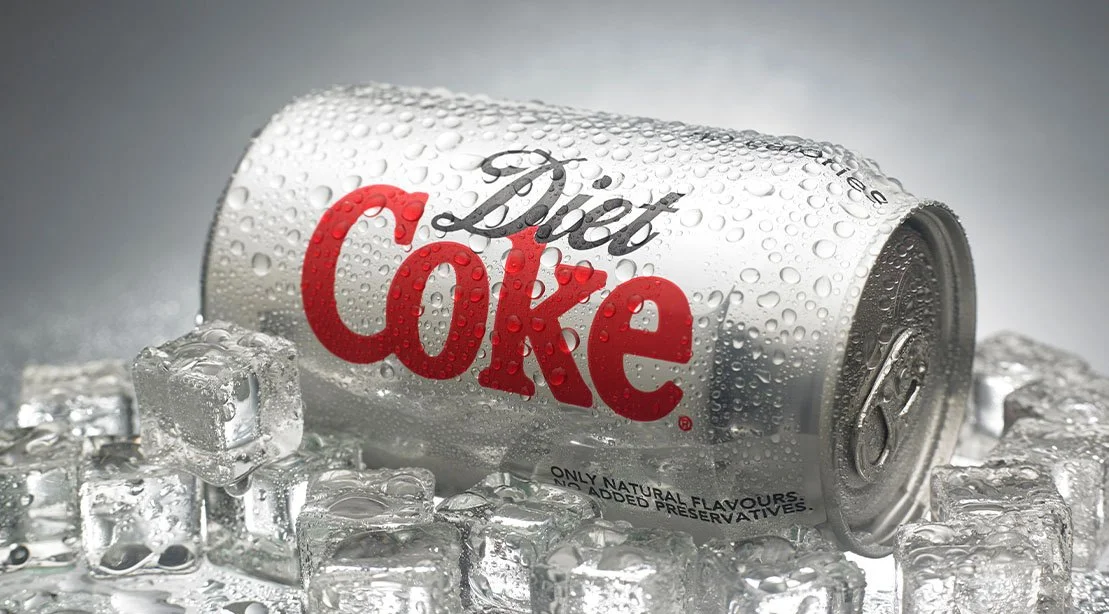
Water and diet drinks produced similar results
A two-year trial from the University of Liverpool found no meaningful difference in weight loss between adults who drank water and those who included low-calorie, artificially sweetened drinks in a weight-management program. The results add long-term evidence to a debate over whether diet drinks affect appetite, sugar cravings or weight. That question is practical as well as scientific: people trying to reduce calories often have to decide what to drink when plain water isn't appealing, and short-term changes don't always show whether a choice can fit into a sustained routine.
Published in the British Journal of Nutrition, the 104-week randomized trial enrolled 493 adults with overweight or obesity. Participants followed a structured weight-management program and were assigned to either a water group or a group that could choose from 20 commercially available diet drinks containing aspartame, sucralose or acesulfame. The assignment gave researchers a way to compare the two approaches under the same broad program, though participants weren't living under tightly controlled laboratory conditions.
Each diet drink contained less than 2.1 calories per 100 milliliters. Participants in that group could also drink water, but were asked to have at least two 330-milliliter servings of a diet beverage each day. Neither group was prohibited from drinking sugary beverages; both received coaching to reduce them. That detail matters: the trial tested drink choices alongside behavior support, not whether diet drinks alone cause weight loss or automatically displace sugary drinks in everyday life.
After two years, the difference in weight loss between the groups was not statistically significant. Both maintained weight reduction and saw smaller waist measurements and improved body composition. The trial builds on a 2023 report that also found no evidence that diet drinks stalled weight loss. The central finding is fairly narrow, but useful: in this program, replacing some drinks with low-calorie alternatives didn't produce worse weight outcomes than choosing water.
Sugar intake fell slightly more in the diet drink group
Participants who drank artificially sweetened beverages had a slightly greater reduction in overall sugar intake than those assigned to water. That result runs against the claim that sweeteners necessarily intensify sugar cravings, though it doesn't establish that diet drinks suppress appetite. A measured change in sugar intake can reflect several things, including what people choose to drink and how they respond to coaching; the study's result doesn't identify a single mechanism.
The question matters because sugar-sweetened drinks can contribute substantial amounts of dietary sugar and calories, and are associated with a higher risk of type 2 diabetes. If low-calorie alternatives help people reduce sugary drinks without undermining weight management, they may have a place in a balanced diet. But the trial doesn't show that every person will find them helpful, or that they should replace water as a default. It gives a more limited answer about weight outcomes in a supported program.
Lead author Professor John Halford said the trial provides long-term clinical evidence that had been missing from international discussions. Professor Harrold said the findings did not support concerns that sweeteners disrupt appetite or cause weight gain under the conditions tested. The qualification matters. A two-year comparison can speak to the people enrolled and the program they followed; it can't establish that all sweeteners, products, or patterns of use have identical effects.
What the trial can and can't tell us
The findings speak to outcomes within a structured program, where participants received guidance to cut back on sugary drinks. They don't settle every question about sweeteners, but they suggest that choosing diet drinks instead of water need not prevent sustained weight loss. The study also doesn't establish whether the same results would hold without coaching, or among people with different health circumstances and habits.
Here's the thing: the result is less a victory for diet drinks than a reason to be wary of sweeping claims about them. The trial found no meaningful weight-loss disadvantage compared with water, and the slightly larger reduction in sugar intake points in a potentially useful direction. Still, it didn't show that sweeteners are a treatment for appetite or that diet drinks deliver weight loss on their own. A neutral result can correct an overstatement without proving the opposite.
For anyone weighing the options, the practical implication is modest. If you're working to reduce sugary drinks and water alone isn't a realistic choice for you, this trial offers evidence that low-calorie diet drinks can fit into a structured weight-management effort without derailing weight loss. The program and the participants' response to it remain part of that finding (and this is the part most people overlook).
Long-term evidence is useful here because debates about cravings and appetite often turn on assumptions about how people will respond over time. This trial adds a two-year comparison, but its limits should travel with its headline: similar weight outcomes in this program, with a slightly greater reduction in sugar intake among the diet drink group. No more than that. A sensible reading is that water isn't the only drink compatible with weight management, while individual preferences and the broader eating pattern still matter.


Discussion
Sign in to join the discussion.