Olympic rugby star Ilona Maher is building an audience beyond the field while keeping Team USA training first and urging more ways for fans to watch rugby.
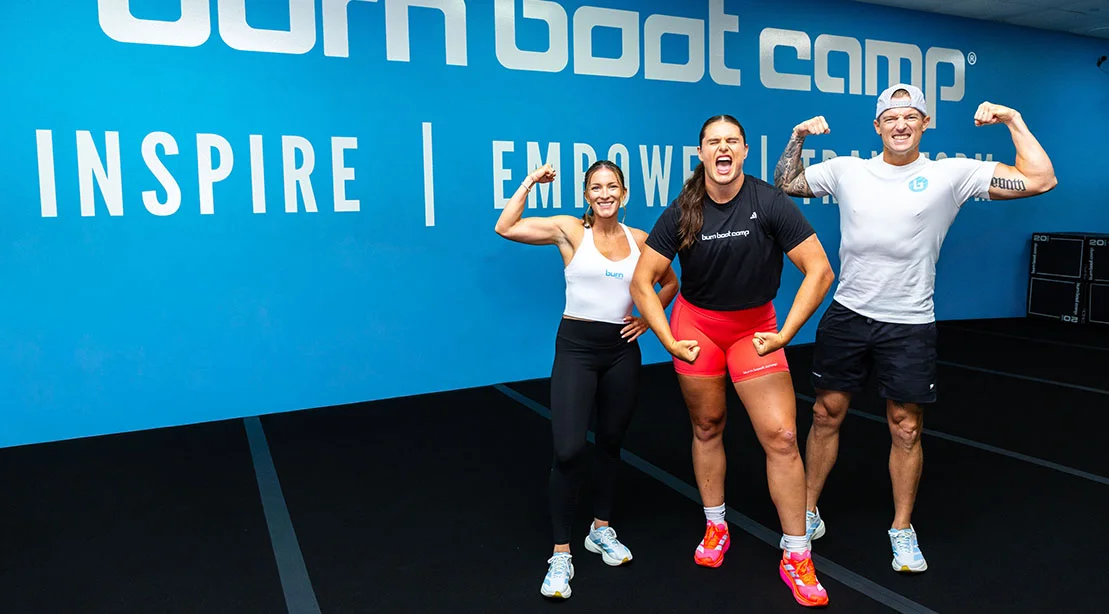
Ilona Maher’s rise in public attention has created a platform for rugby, but it hasn’t solved one of the sport’s basic visibility problems: fans often have few convenient chances to watch her play. The U.S. bronze medalist wants more people in the stands and following the game. For now, her own career still depends on a demanding training schedule that leaves her media work and brand commitments to fit around Team USA.
Maher became widely known during the 2024 Paris Olympics. Since then, she has appeared on the cover of Sports Illustrated, competed on Dancing with the Stars, started a successful podcast and worked with brands including Maybelline New York, Adidas and Burn Boot Camp. That visibility has brought rugby new attention, but Maher says it’s difficult for curious fans to turn interest in her into a regular viewing habit.
“Honestly, it doesn’t frustrate me because we don’t have enough places for them to watch rugby,” she tells Muscle & Fitness. A fan can hear that she’s playing, she says, without having an obvious way to find the match or a team to follow afterward. That gap makes it harder to convert a moment of Olympic exposure into lasting engagement with the sport.
Attention is easier to find than a match
Maher’s profile has helped put rugby back on the map and, according to the source, has contributed to increased ticket sales. Yet the logistics of following her remain a challenge. She plays internationally, including in South Africa and Perth, where U.S. fans may have to watch at inconvenient hours. As Maher puts it, someone might need to “wake up at 4 in the morning” to catch only the first minutes of a game.
She sees that lack of access as a structural obstacle to growing the audience. “I want to get more people in. I think more people should be in,” she says, adding that fans need more opportunities to watch games on home soil. Her point is practical: a prominent athlete can attract interest, but regular viewing requires matches to be easier to find and attend.
Maher compares her role in rugby’s visibility to Caitlin Clark’s impact on the WNBA, while recognizing that attention alone can’t make the sport accessible. The challenge for rugby is to give new fans a reason and a way to keep watching after a high-profile event. Maher is hopeful about the sport’s future, even as she acknowledges the distance between public interest and the available schedule.
Team commitments set the schedule
Maher is based in San Diego and has the 2028 Los Angeles Summer Olympics in her sights. That goal shapes how she handles the opportunities that have followed her rise in visibility. Her podcast, speaking engagements and other work matter, but she says her training calendar comes first because she is part of a team.
“I’m not an individual athlete that can build my life around my podcast,” she explains. Team meetings, rehabilitation and stretching are part of the day, and she has to follow the schedule set by the team. She needs to be in the gym at 8 a.m. with her teammates. Missing training for another commitment, she says, isn’t worth the cost.
That team-first approach also informs how she thinks about workload. “If my girls are grinding, I want to be out there grinding with them and not just taking the easy road,” Maher says. At the same time, she needs to keep up the work that supports her life outside the sport. “That’s how I financially live the life I do,” she says of podcasting and speaking.
With a “pretty hefty schedule,” Maher has to turn down some invitations and choose where her time goes. She describes the decision as picking her battles. The result is a public career built around the reality of professional rugby: the media work can expand her reach, but it has to fit around daily preparation and the needs of her teammates.
A training load built for rugby
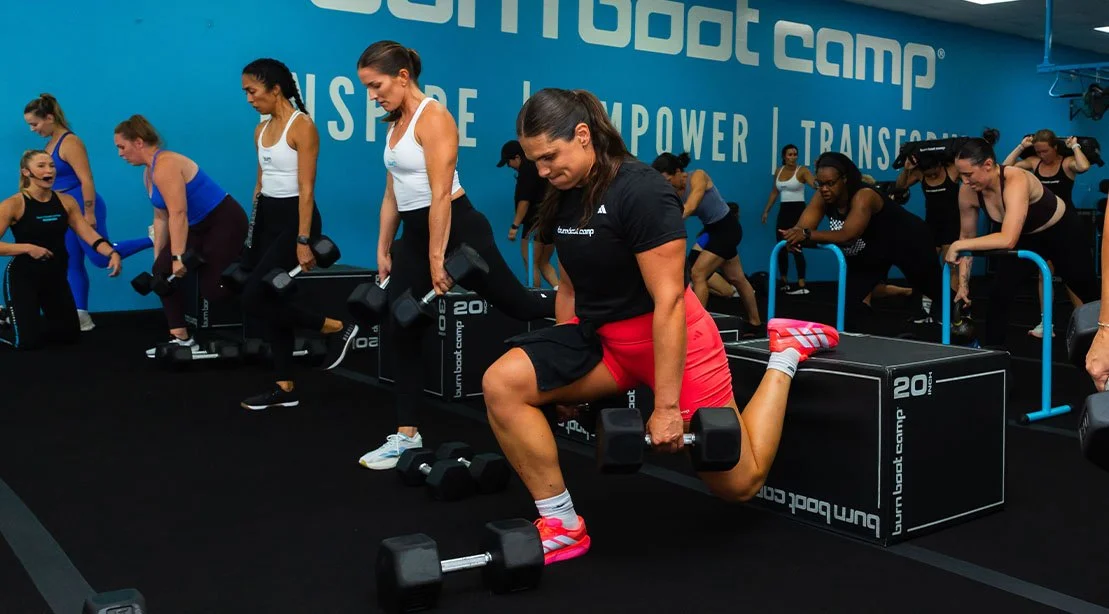
Maher’s week reflects that priority. She describes two on-field sessions each day, in addition to gym work that can include speed and skills training. Her running can reach about 20,000 steps. She also lifts four days a week, with an emphasis on explosive movements. Time away from the weight room goes toward recovery and preparing to repeat the cycle.
In the gym, she enjoys work that gives her a clear measure of progress, especially squats and bench presses. “I like the ones where you really get to like to test yourself and see how much more you can do,” she says. A favorite is the dumbbell incline bench press, where she can add weight when a set feels manageable and see whether she can handle the next increase.
Those personal milestones offer a glimpse of the everyday work behind an athlete’s public image. Maher’s schedule is built around rugby performance, but the way she talks about training also reaches people who are still finding their footing in the gym. She hears from girls who want to get stronger and admire her strength, but feel intimidated about where to begin.
Using visibility to make strength feel welcoming
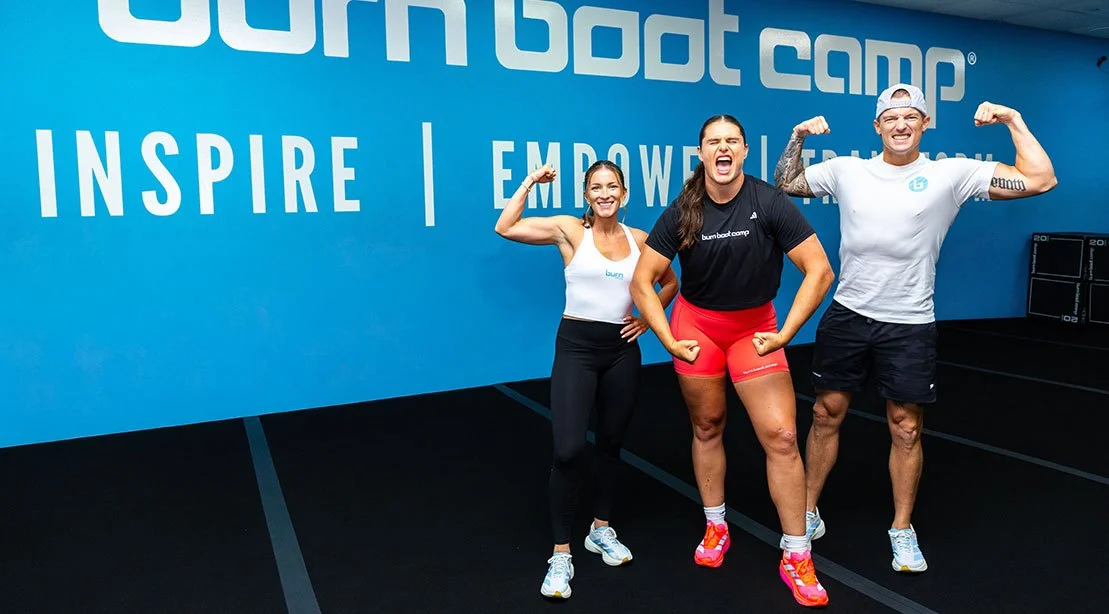
That audience is part of why Maher partnered with Burn Boot Camp. The company’s 45-minute high-intensity classes caught her attention because of the energy and sense of community she saw among participants. She describes women encouraging one another and arriving excited to work out—an environment she wants more girls to experience.
“I have so many girls who message me saying, ‘I wanna get strong. I wanna be strong like you. I just don’t know where to start and I’m intimidated by the gym,’” she says. Her interest in the partnership, she explains, came from seeing a group setting where women could train together and support each other.
Maher says fame hasn’t fundamentally changed how she sees herself. “I just never found that to be me,” she says. “I think I’m kind of a similar person I was before the Paris Olympics.” Her next phase will test how far that familiar, team-oriented approach can carry her: toward the 2028 Games, while she uses a larger public profile to encourage girls to get stronger and presses for more chances for fans to watch rugby.

Discussion
Sign in to join the discussion.