Research links plant-forward eating with better control of several atrial fibrillation risk factors, while evidence on specific foods and treatment remains limited.
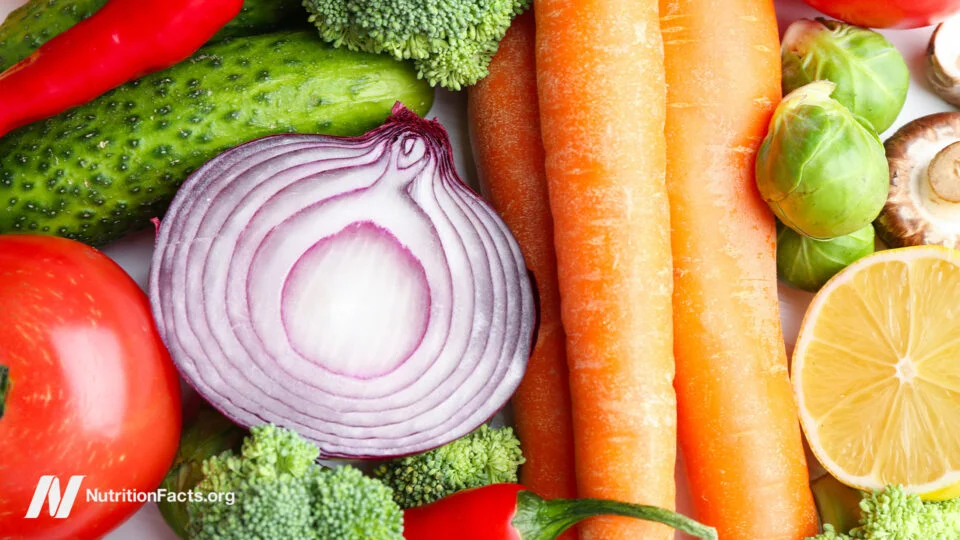
A diet built around vegetables, fruit, whole grains, beans, and nuts may help address several conditions linked to atrial fibrillation (Afib), including high blood pressure, obesity, and type 2 diabetes. That’s the strongest case for plant-based eating in the research reviewed here: it may improve the risk factors that contribute to Afib, although evidence that diet alone can treat the rhythm disorder is still limited.
Afib is the most common clinical arrhythmia, or abnormal heart rhythm, and affects millions of Americans. It is also a global health concern because of its association with stroke, heart attack, and heart failure. Research has examined both foods that may be protective and dietary patterns that could raise risk. The findings point toward a practical direction, but they don’t establish a single food as a treatment.
The dietary pattern under scrutiny
Low-carbohydrate diets have been associated with a higher risk of developing Afib. One possible explanation is what those diets may displace: vegetables, fruits, and whole grains contain foods described as anti-inflammatory, and eating less of them could be one part of the association. A second possibility is that replacing carbohydrates with more protein and fat may increase oxidative stress, the formation of free radicals that has also been linked with Afib.
There may be another pathway. A low-carb eating pattern could increase the risk of other cardiovascular conditions that help set the stage for Afib. Separate research has associated low-carb diets with higher overall mortality, as well as higher mortality from cardiovascular disease and cancer. These are associations; they don’t, by themselves, show that a specific low-carb diet causes those outcomes.
Dietary recommendations for people with heart rhythm disorders, as described in the cited review, favor a different balance: fruits, vegetables, grains, beans, and nuts every day; seafood no more than a few days a week; eggs, dairy, and poultry about once a week; and other meats about once a month. Limiting meat is intended in part to reduce saturated and trans fat intake.
Whole-food, plant-based diets emphasize whole grains, legumes such as beans, split peas, chickpeas, and lentils, vegetables, fruits, and nuts, while limiting or avoiding animal products. The review argues that this pattern may be useful both because it puts more protective foods on the plate and because it excludes some foods that may be harmful. The evidence for each specific food, however, varies.
What the evidence says about fish, alcohol, and caffeine
Fish findings deserve a closer look. In an exploratory analysis from the Framingham Heart Study, researchers defined “dark fish” as salmon, mackerel, swordfish, bluefish, and sardines. People who ate more than four servings a week had about six times the risk of developing Afib, according to that analysis. Yet fish intake overall did not appear to affect risk. The result is a signal from one analysis, not a general finding that all fish raises Afib risk.
Alcohol presents a more consistent concern in the cited discussion. The review reports that each alcoholic drink per day may be associated with as much as an 8% increase in the relative risk of Afib. The precise reason alcohol may affect heart rhythm remains unclear. By comparison, coffee and caffeine generally do not appear to be associated with arrhythmia risk.
Risk factors may be the most relevant target
The case for plant-based eating rests substantially on its potential to improve conditions associated with Afib. The review identifies high blood pressure, hyperthyroidism, obesity, and diabetes among the risk factors that a plant-based diet may help address. These conditions matter because they can raise the likelihood of developing the rhythm disorder, even though diet’s effects on them don’t prove that a dietary change will prevent or eliminate Afib in an individual.
High blood pressure is estimated to account for about one-fifth of new Afib cases. A plant-based diet may help by supporting vasodilation, the natural expansion of arteries, while providing anti-inflammatory and antioxidant effects. It can also increase potassium intake and reduce blood viscosity, or the thickness of blood. Those proposed mechanisms help explain why dietary patterns are relevant to heart health.
Hyperthyroidism is another factor discussed in the research. One study found that people who excluded all animal foods had half the prevalence of hyperthyroidism compared with people who ate meat. Vegetarian and fish-only diets were associated with an intermediate level of protection. This finding concerns hyperthyroidism prevalence; it doesn’t establish that a particular diet treats Afib directly.
Excess body fat may account for roughly another fifth of Afib cases. Weight loss has been linked with improved outcomes among people who already have the condition. In one study, overweight participants who lost at least 10% of their body weight had a 10% chance of still having Afib five years later. Among those who lost less than 3%, or gained weight, 60% were still likely to have it. The study associated significant weight loss with a sixfold greater likelihood of freedom from Afib.
The broader list of potentially modifiable risk factors includes high blood pressure, type 2 diabetes, obesity, systemic inflammation, and heart disease. The review suggests that a sufficiently healthy plant-based diet may help prevent, arrest, or reverse some of these conditions. For clinicians and patients, that makes risk-factor management the more grounded focus of the dietary evidence.
A case report, not a treatment trial
Evidence that dietary change can resolve Afib itself is much thinner. The available report is a single case, so it can illustrate a possible outcome but cannot show how often it might occur or establish that diet caused the improvement.
The patient was an 82-year-old man with coronary artery disease, previous heart attacks, ischemic cardiomyopathy, high cholesterol, high blood pressure, and persistent Afib. He was taking multiple medications and reported cognitive impairment, memory loss, fatigue, and weakness. He adopted a whole-food, plant-based diet and began moderate physical activity. His blood pressure and cholesterol fell, and his physicians discontinued his antihypertensive, statin, and beta-blocker medications. He also reported improved cognition and relief from symptoms including fatigue, light-headedness, and weakness.
After about three months, his LDL cholesterol fell 37%, from 115 mg/dL to 72 mg/dL. That measurement was taken while he was still using a statin. After his doctor later stopped the statin and blood pressure medications, his cholesterol remained low and his blood pressure normalized. The case report describes his Afib as completely resolved.
The patient had previously followed a Mediterranean diet. He said he then cut out meat, cheese, oil, and wine and ate more fresh vegetables. In his account, he regained the ability to lift weights and use a treadmill for an hour a day, and felt more alert and energetic. His cardiologist later suggested stopping his final medication. Those details are the patient’s reported experience; a single case cannot establish that the same changes would produce the same result for others.
His story gives the research a human dimension, but it shouldn’t be read as a reason to stop prescribed treatment. The more defensible takeaway is that diet and activity may support management of several Afib risk factors, while the evidence for diet as a stand-alone Afib treatment remains sparse. Dietary changes belong in a conversation with a clinician, especially for someone managing heart disease or taking medication.
Further reading
Earlier discussions of fish and Afib include Red Fish, White Fish; Dark Fish, Atrial Fibrillation and Omega 3s, Prostate Cancer, and Atrial Fibrillation. The related video for this discussion is The Best Diet for Treating Atrial Fibrillation.
Related material on low-carb diets and dietary patterns includes:
- Atkins Diet: Trouble Keeping It Up
- Paleolithic Lessons
- Whole Grains May Work as Well as Drugs
- Low-Carb Diets and Coronary Blood Flow
- Alzheimer’s Disease: Grain Brain or Meathead?
- Does a Ketogenic Diet Help Diabetes or Make It Worse?
- Keto Diets: Muscle Growth and Bone Density
The cited discussion of medication risk is Why Prevention Is Worth a Ton of Cure. For now, the clearest dietary direction in the evidence is to emphasize plant foods and address the health conditions associated with Afib, while treating individual case reports as prompts for further study rather than proof of a cure.



Discussion
Sign in to join the discussion.