Prescott’s decades-old P.E. program uses demanding fitness tests and milestone rewards to motivate students and shape a community tradition.
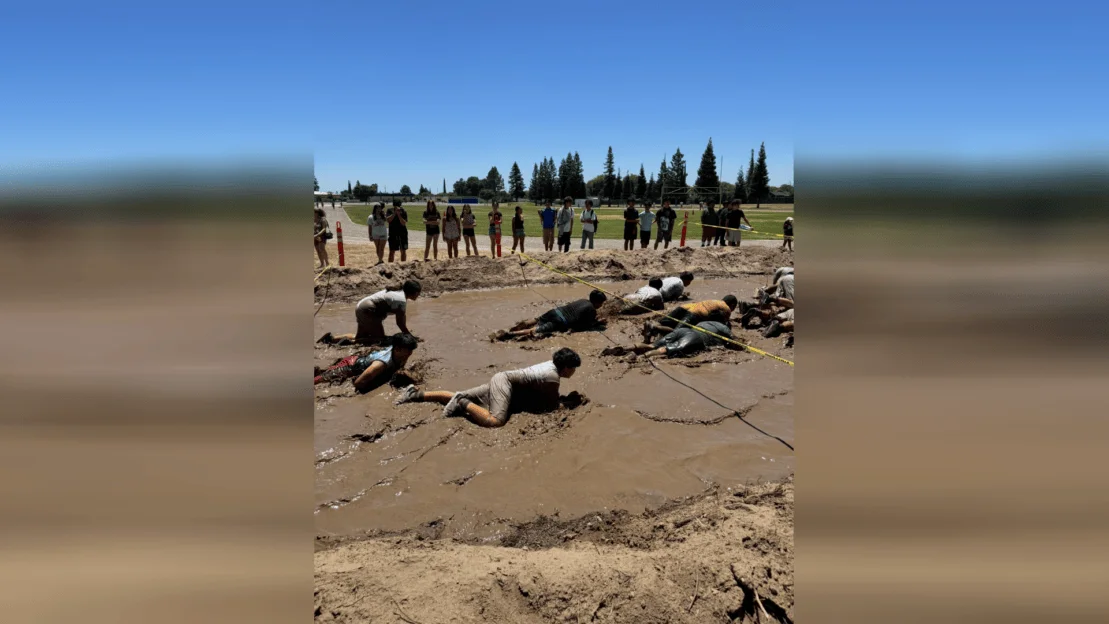
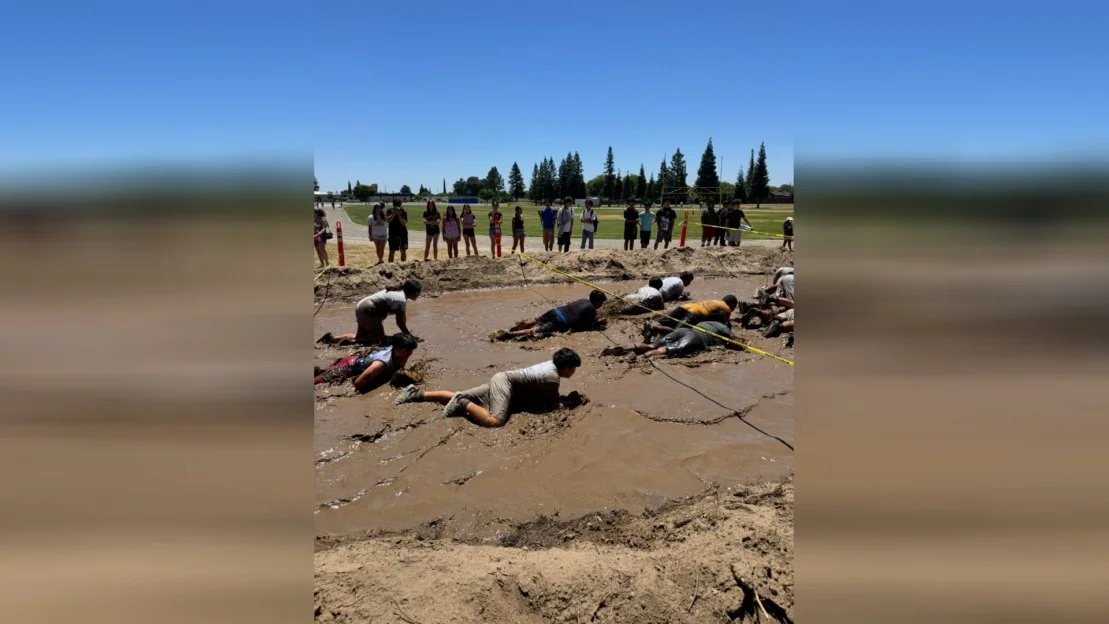
At Prescott Junior High in Modesto, California, physical education runs on a system built to make progress visible. Students work through 20 fitness tests, earn points for their results and advance through a sequence of colored trunks as they meet increasingly demanding standards. The program has been part of the school’s identity for nearly half a century, and current teachers Jason Avelar and Garrett Beal see its influence lasting well beyond the gym.
That approach may offer a useful example as schools consider ways to build student interest in fitness. President Donald Trump announced the restoration of the Presidential Fitness Test on July 31, 2025, alongside the return of the President’s Council on Sports, Fitness, and Nutrition. The administration has also announced a Presidential Fitness School Innovation Challenge, inviting schools, districts and youth-serving organizations to develop repeatable ways to encourage participation, teamwork and enthusiasm for the test.
Prescott’s program has its own history and structure. Its roots trace to a fitness curriculum modeled closely on the program at La Sierra High School, a prominent 1960s example associated with the President’s Council on Physical Fitness. In 1973, Prescott P.E. teacher Mark Wilson saw a demonstration of an intensive, fitness-based curriculum. He adapted the idea for his students, setting an expectation that they would make physical fitness a priority while young.
Progress is built into the uniform
Every student starts with zero points and white trunks. Across 20 tests, performances earn one, two or four points. Reaching 60 points unlocks red trunks, but the score resets at that milestone because the next tier brings tougher tests. Students who earn another 60 points move up to blue trunks. Gold and purple mark further achievement, and the school’s P.E. Hall of Fame gives students another form of recognition.
The structure pairs a clear target with a fresh challenge at each stage. The reset means students can’t rely on a previous score to carry them through the next level; they have to demonstrate their abilities against higher standards. Avelar says the tests become particularly difficult at the later stages. One student surpassed the purple-trunk threshold early enough that the teachers created another distinction for her: students who pass purple can choose custom trunks.
The system sets a high bar, but Avelar and Beal say that standard can help students find out what they are capable of. Some reach it; others come closer than they might have without a demanding goal to pursue. The results reported by the school include a student who ran two miles in 12 minutes and 27 seconds, another who completed more than 6,000 consecutive sit-ups, and several students who performed over 1,000 unbroken pushups.
Those feats are striking, but the program’s measure of success isn’t limited to top scores. Its point system gives students a route through the curriculum, while the uniform colors make each milestone apparent. The teachers describe a setting where students are expected to push themselves, with recognition attached to sustained achievement.
A tradition people carry home
Prescott’s reputation is visible across Modesto. Beal says people often stop him when he wears a Prescott shirt around town to share that they attended the school. The program’s history can span generations: at a book club, Beal met someone who recognized a name on the school’s Hall of Fame wall and told him, “Yeah, my grandma.”
That connection reflects how long the program has been part of the community. Other Prescott teachers were students there themselves, and Avelar and Beal say they try to model the value they place on wellness. Students move on to high school programs that may not match Prescott’s intensity, but the teachers say many continue pursuing fitness after leaving.
Some students may only recognize the program’s distinctiveness once they have moved on. “As they leave, they realize ‘Oh crap, this is a super special place,’” Avelar said. The teachers see that recognition as part of a longer arc: students experience a challenging routine at school, then understand its significance in retrospect.
Beal came to fitness through sports. He played as a child, then credits a high school wrestling coach with introducing him to weight training. “It was the first sport where I saw that being strong helped,” he said. “I fell in love even more with fitness than wrestling.” He later also worked as a police officer.
Avelar found strength training through high school football, where playing linebacker also brought out his leadership skills. Coaches and teachers encouraged him to consider teaching. “I had a few coaches and teachers pull me aside and said, ‘Hey, I think you’d be a great teacher.’” Both teachers now see their work as an extension of the program’s long-running identity, while adding their own chapters to its story.
What keeps the teachers invested
For Avelar, the daily reward is watching students reach goals and attempt things they haven’t done before. He points to the excitement students show when they push through a challenge. “The fulfillment I get from showing up to school every day and seeing kids reach their goals, push themselves, do things they’ve never done before, and seeing the excitement on their faces is why I do it.” Beal summed up his attachment to the school simply: “This is such a special place to be.”
The Presidential Fitness School Innovation Challenge could give schools another reason to examine how they motivate students, though the number of entrants has not been announced. Avelar and Beal welcomed the return of the Presidential Fitness Test and hope it encourages P.E. programs to help students embrace fitness, test their abilities and take on challenging goals.
Prescott’s experience suggests that a program’s reach depends on more than a single test or event. Its tiered milestones, demanding standards and community history have made fitness a recurring part of school life in Modesto. The next challenge for schools will be finding approaches students can keep pursuing after the class ends and they leave the gym.
More information about the Presidential Fitness Test and School Innovation Challenge is available at fitness.gov. Prescott’s program is on Instagram at @prescott_standard; Beal and Avelar are on LinkedIn.
M&F Senior Military Editor Rob Wilkins contributed to this Fit to Serve article.

Discussion
Sign in to join the discussion.