KFF projects stand-alone Medicare drug plan premiums will average $51 a month in 2027, making open enrollment comparisons more consequential.
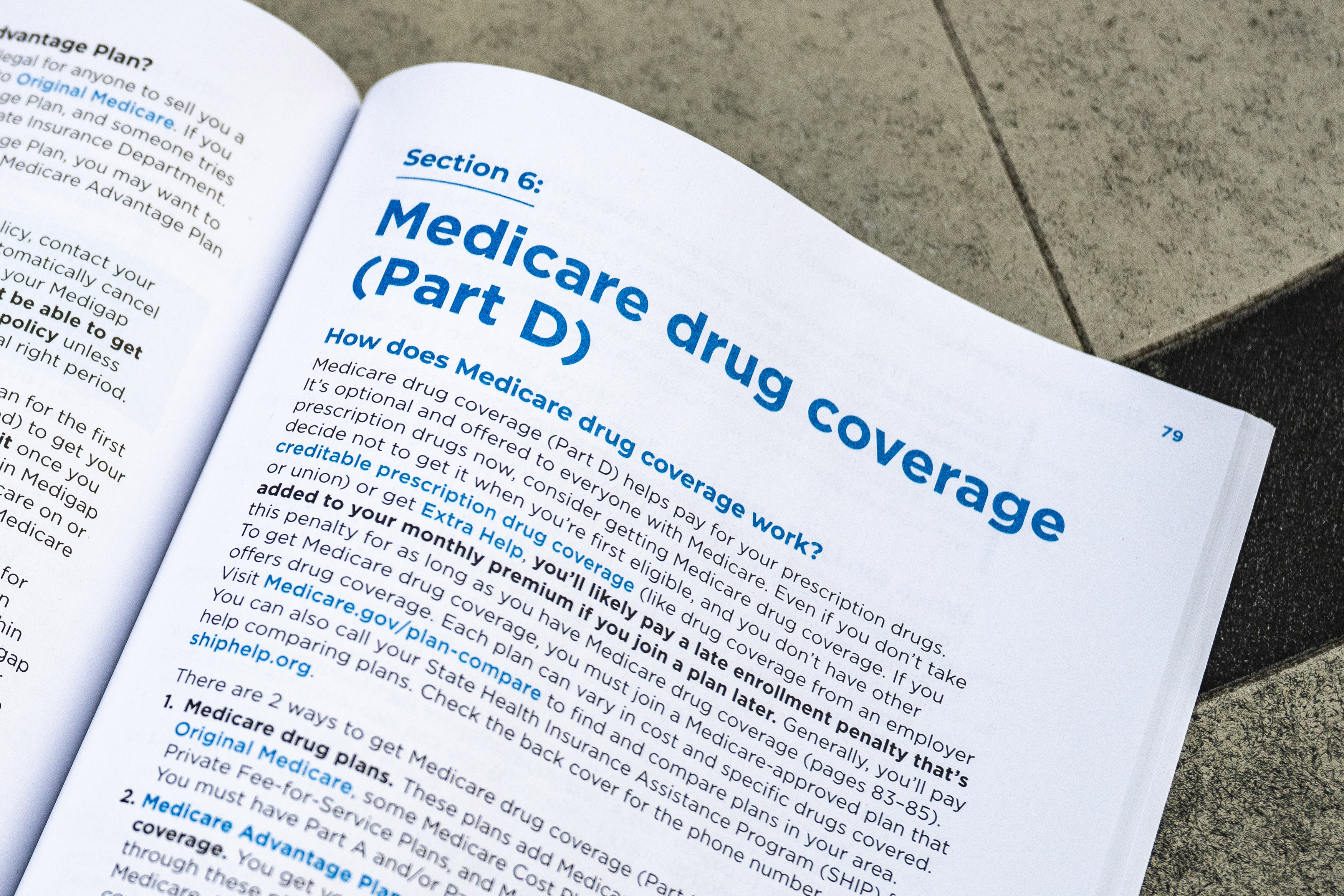
Medicare beneficiaries with stand-alone prescription drug coverage face a sharper choice during open enrollment: compare plans or risk paying substantially more next year. KFF projects average monthly premiums for these plans will rise 50%, from $34 in 2026 to $51 in 2027.
That average masks wide differences between plans. Robert Travis Scott of Abingdon, Virginia, learned his AARP-UnitedHealthcare premium would climb from $39.60 to $121.90 a month. In late October, he compared options online and found a Humana plan with similar benefits for $19.30 a month.
“Yes, I am quite happy about that,” Scott said. He estimates the switch will save him about $1,000 next year. The premium notice surprised him, and he worries other seniors may not compare plans before enrollment closes.
Medicare’s open enrollment period runs through Dec. 7. Juliette Cubanski, a KFF vice president and director of its Program on Medicare Policy, said this year’s increases raise the cost of staying put for people with stand-alone drug coverage.
Premiums tell only part of the story
Nearly 25 million people receive Medicare drug coverage through stand-alone Part D plans, according to KFF. Another roughly 31 million get drug benefits through Medicare Advantage, the private plans that provide an alternative to traditional Medicare. More than half of Medicare beneficiaries are enrolled in Medicare Advantage.
For Medicare Advantage members, the average monthly amount attributed to drug coverage is projected to reach $9 in 2027, an increase of less than $2. That figure is part of the overall plan premium, so it does not capture every cost a beneficiary may face at the pharmacy.
Deductibles are also projected to rise. KFF estimates the average for stand-alone plans will reach $643 in 2027, up from $540 this year. For Medicare Advantage drug coverage, the average is projected to increase from $360 to $489.
Most beneficiaries with drug coverage are also expected to face coinsurance rather than fixed copayments for at least some medicines. With coinsurance, a patient pays a percentage of a drug’s price, so the amount due can vary with the medicine’s cost. What people ultimately pay depends on their prescriptions and their coverage.
Why the forecasts differ
KFF points to the early end of a temporary subsidy program as one possible reason stand-alone premiums may rise. The Centers for Medicare & Medicaid Services ended the three-year pilot in July, after subsidies had supported stand-alone plans in 2025 and 2026. KFF has said the decision could contribute to larger premium increases in 2027.
CMS Administrator Mehmet Oz described the subsidy program as an insurance industry bailout. The agency’s forecast for next year is far lower than KFF’s: CMS projected the national average premium would rise from $35 to $36, using enrollment data from September 2026.
KFF said CMS did not explain how it calculated that projection. One possibility, the nonprofit said, is that CMS assumed beneficiaries would move to less expensive plans. CMS did not immediately respond to a request for comment on KFF’s findings.
Millions may pay more if they stay enrolled
KFF estimates that 10.4 million people—76% of stand-alone plan members who do not receive low-income subsidies—will pay a higher monthly premium in 2027 if they keep their current plan. That includes 4.1 million people enrolled in plans with no monthly premium, since KFF found no zero-premium options will be available next year.
The premium increase is drawing attention as voters weigh household costs ahead of the November midterm election. President Donald Trump has credited his administration with securing lower drug prices from manufacturers. At an Ohio rally on Oct. 28, he said the United States had gone from having the world’s highest drug prices to the lowest.
Those claims don’t resolve the practical question facing beneficiaries: what their own prescriptions will cost under a particular plan. With premiums, deductibles and cost sharing all varying across coverage, comparing options before Dec. 7 could make a substantial difference to next year’s bill.
KFF Health News is a national newsroom that produces in-depth journalism about health issues and is one of the core operating programs at KFF—an independent source of health policy research, polling, and journalism. Learn more about KFF.This article first appeared on KFF Health News and is republished here under a Creative Commons Attribution-NonCommercial-NoDerivatives 4.0 International License.



Discussion
Sign in to join the discussion.